A new study reveals that the value of a walk in the Noosa National Park is about the equivalent of two cups of coffee … and much more about the astounding return on investment in our parks. Phil Jarratt reports.
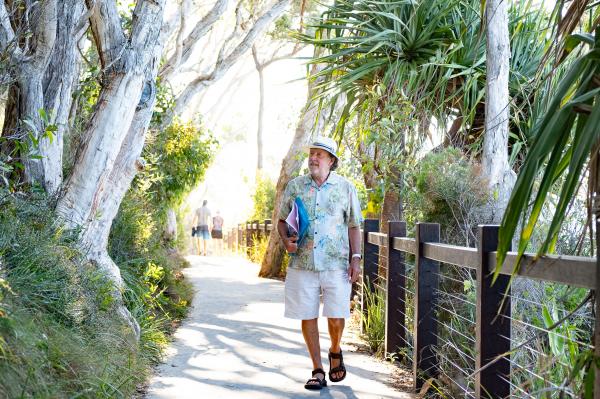
If Professor Richard Brown looks a little distracted as he walks briskly through Noosa National Park on his way to join the Noosa Turtles’ early morning swim at Main Beach, it’s because he’s counting heads.
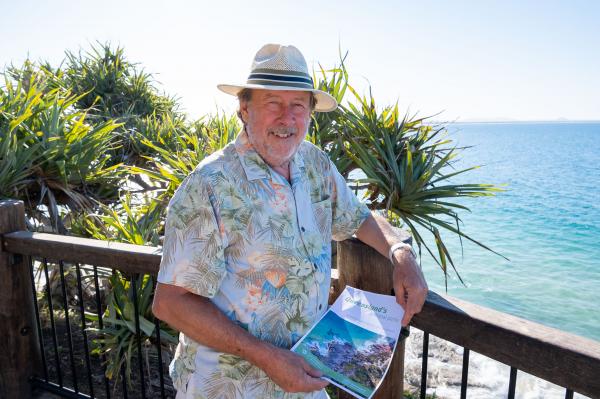
“Even at seven in the morning I’ll count more than 100 most days,” says the Brisbane and Sunshine Beach academic, “which helps me get a feel for the overall numbers of park users in the absence of an official counter.” This is a personal bugbear of the associate professor of economics at the University of Queensland, who, along with colleagues and co-authors Dr Sally Driml and Claudia Moreno Silva, has spent much of the past three years working on a groundbreaking study of the value of national parks to the Queensland economy. “It would be so helpful if the parks had counters,” he says.
The resulting 60-page report, published this month, estimates that Queensland’s 500 parks contribute $2.64 billion in spending per year and add $1.98 billion – almost 10 percent – to the state’s gross tourism product. Measured against the costs of tourism management of the parks, this represents a remarkable $6.30 return on investment for every dollar spent.
Noosa National Park was one of four representative sites used for the survey, conducted during 2018, with a third of the visitor interviews being conducted here. Other regions were Carnarvon, North Queensland rainforest and Outback. Although the study, funded by the Queensland Department of Environment and Science, looks at the state overall, Noosa-specific results include an average spend for overnight domestic visitors of $170 (per day per person), and while Noosa had the shortest stays (in terms of hours/minutes spent inside the park per visit) of the four regions surveyed, Queensland’s most popular National Park also had the highest number of visitors per group.
For the purposes of the study, Noosa was classified as “urban”, and according to Professor Brown, this made the visitor spend extremely difficult to “disentangle”. He says: “The main issue of studies like this is that the figures have to be robust. Too many previous studies, including a major one on the Great Barrier Reef, simply counted the expenditure of every visitor along that coast, regardless of their reasons for being there, which might be completely unrelated. In our study we were very careful to design a methodology that was acceptable to the Queensland Treasury and was specific about why you came to Noosa and would you have come if there was no park, or no access to it? So I can say with confidence that our numbers stack up.”
To the layman, close reading of the full report can induce a severe case of bleeding eyeballs and drowsiness, but one figure that stuck out to this reader, was Noosa’s “consumer surplus value” of $7.70 (or two cups of coffee) per visit. Put simply, because National Parks are free, this is an estimate of the non-monetised value of the experience, over and above the amount spent by the visitor getting to and from the park. Now, if you add up a nice walk and a surf or swim at Tea Tree, and throw in a family picnic, that’s damn good value.
The actual survey was completed in 2018, with the report written in 2019 and the review process taking up most of this year, but in the year in which the interviews were done, Queensland national parks had five million domestic visitors, almost equally divided between overnighters and daytrippers. In addition to this, an estimated one million plus international tourists were park visitors.
In 2020 anecdotal evidence from park management personnel indicates that, while international and interstate visitation has been seriously reduced through Covid, many parks, including Noosa, are busier than they have ever been. Says Professor Brown: “The information we are getting since the study was completed is that Covid-19 has created new highs in visitor numbers and expenditure, and in Noosa you can see that in terms of traffic that you normally only see at Christmas or Easter.”
Interestingly, Noosa seems to have benefited more than the parks of the greater Gold Coast, with many visitors choosing to take refuge in places perceived to be quieter and safer.
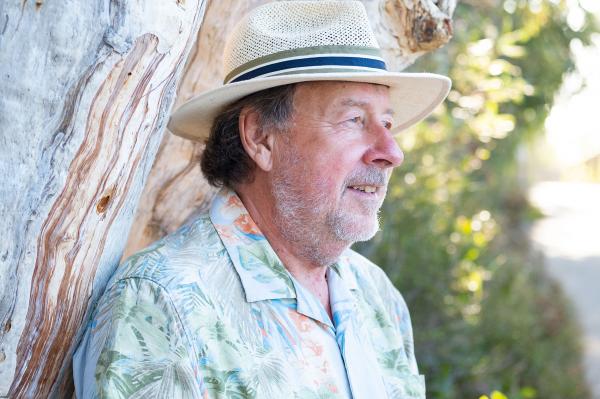
Richard Brown, who in his late sixties is still a keen and active swimmer, walker and stand-up paddler, is at pains to point out that this study is much more than an academic exercise. He says: “I think with any academic study, we have to answer the question, what’s the point of all this? It’s because the true value of our parks and protected areas is often hidden, and if people don’t know the numbers they’re more likely to think about repurposing these places to turn them into money. So apart from all the other important functions of our parks for the environment and enhancing quality of life, it’s vital that we can demonstrate their economic value both to protect them and to ensure that they are given adequate budgets.”
Fortunately, this is already happening, with the study being used as input into the new Queensland Government Protected Areas Strategy announced recently. You can read the full report at www.uq.edu.au/economics/abstract/636.pdf