
What happens when you take individuals from around the world, confine them to a prison-like environment in the middle of a war zone, and expect them to work and live together?
This was one of the questions explored by University of Auckland Business School doctoral candidate Sam Mackay in his thesis ‘Sexcapades, drug hazes and terrorist attacks: exploring expatriate work and well-being in fortified compounds in a hostile environment’.
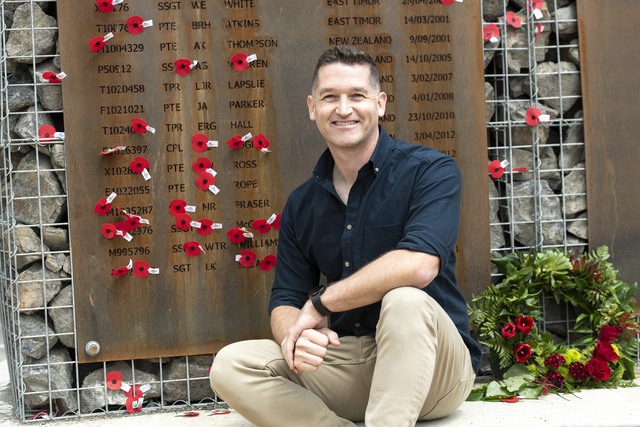
Mackay, who spent a year and a half in Kabul between 2018 and 2019 as a senior consultant for the United Nations, encountered a surreal environment within his compound. The “crazy, intense experience” inspired his doctoral research.
Drawing from in-depth interviews with 36 expatriates, including three New Zealanders and two Australians, Mackay’s study reveals how fortified compounds, designed to protect employees in hostile environments, introduced additional stressors that compounded expatriates’ already challenging experiences in war-torn Kabul.
“I found that although they were designed to shelter inhabitants from the risks outside, compounds generated additional threats on the inside— particularly in the inescapability of toxic bosses and colleagues, sexual harassment, racism and social exclusion.”
For expatriates working and living in fortified compounds in Afghanistan’s capital, life was a mix of extreme monotony and extraordinary stress, blending overwork with an intense, often toxic, living environment.
These expatriates, most of whom worked for aid and development agencies, shared deeply personal insights with Mackay about life inside different compounds between 2014 and 2021.
Many expatriates described compound life as “oppressive” and “claustrophobic,” with the monotony of daily routines leading one interviewee to label it a “pathetic… repetitive life.”
With bedrooms sometimes mere steps from offices, the line between professional and personal time practically disappeared, says Mackay. Many expatriates felt overworked, describing a culture that expected 24/7 availability.
While the compounds were meant to provide safety, they exposed workers to new dangers inside.
Seven out of 18 of the female expatriates interviewed experienced sexual harassment, and several more expressed feelings of unsafety.
Racism was another troubling theme, with some interviewees experiencing discriminatory behaviours that exacerbated the difficulties of life in the compounds.
With limited opportunities to leave, expatriates formed cliques for social support, but these groups often created divisions.
Meanwhile, most interviewees said privacy was difficult to achieve, and the close quarters fuelled gossip, which became a source of both entertainment and tension.
These dynamics turned the compounds into what Mackay calls hostile environments within a hostile environment.
Faced with these challenges, expatriates developed various coping strategies.
On the healthier end of the spectrum, some turned to exercise, meditation or gardening. But for many, escapism took the form of binge drinking, drug use, and what several interviewees called “sexcapades”—casual sexual encounters.
“Some people become hunks, some people become monks, some people become chunks, and some people become drunks,” one participant said, capturing the diverse and sometimes destructive ways people in the compounds managed their stress.
Many interviewees reported conflicts with colleagues and managers, exacerbated by the confined nature of the compounds. Mackay says some of their experiences were akin to living in a “total institution,” where the organisation dictated every aspect of life, work, sleep and recreation.
Beyond the bubble
Mackay’s research highlights the paradox of fortified compounds. While designed to shield employees from external threats such as terrorism, they also became targets for attacks and generated internal dangers.
One interviewee said: “The thing that was killing me most was not the Taliban… it was the toxicity of the environment and the culture.”
Fortified compounds remain a standard operating practice for many international organisations working in conflict zones and Mackay says decision makers should consider the appropriateness and sustainability of placing employees in such environments.
“My research shows the limits of compounds as an effective strategy to protect employees in hostile environments and I hope the findings will contribute to improving expatriates’ experiences in these extreme contexts.”