
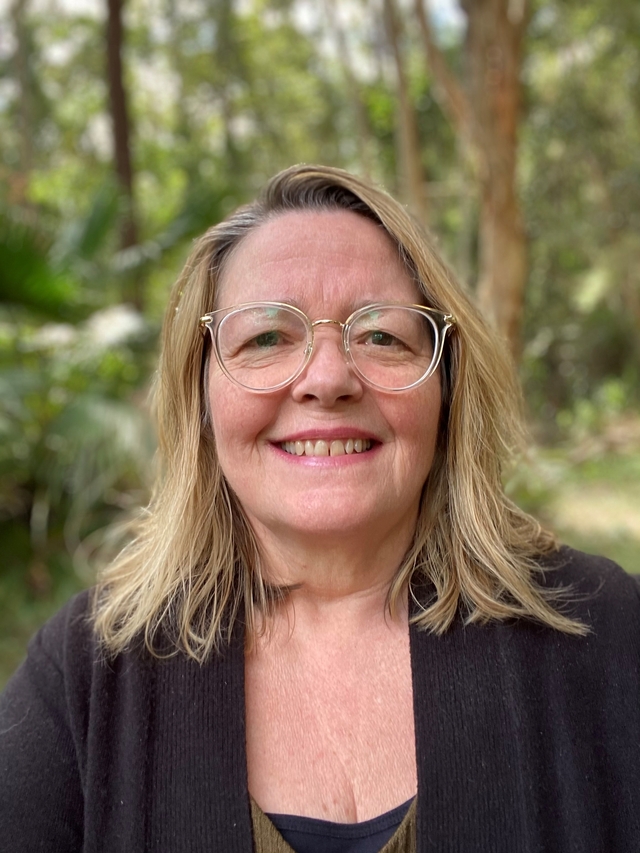
Sunshine Coast local Sharon Whiteman is sharing her story to warn Queenslanders that tick bites can have serious, long-term health consequences, after a single bite left her permanently disabled.
While living on acreage at Pinbarren, Ms Whiteman said removing ticks from her dogs was a regular part of life.
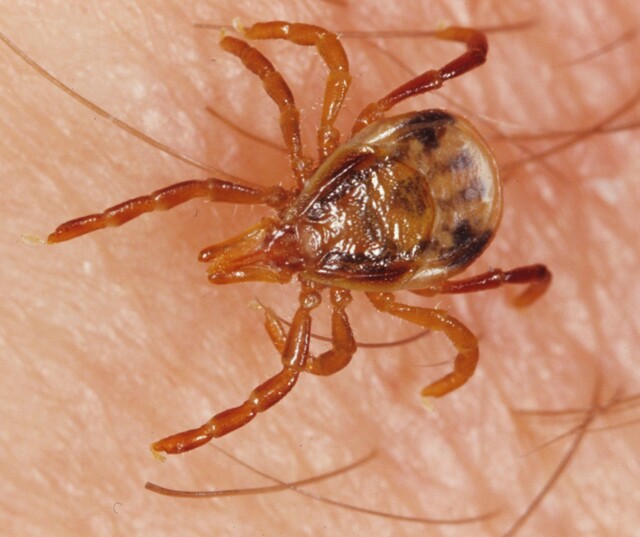
One evening, however, she discovered a tick embedded in her upper right arm, surrounded by an unusual double-ringed rash.
“As a retired nurse, I researched it and found information describing a ‘bullseye’ rash,” she said.
“Everything I read suggested it was rarely harmful, so I focused on supporting my immune system and didn’t think much more about it.”
Over the next three years, her health deteriorated dramatically. What began as extreme fatigue, widespread pain and “foggy thinking” progressed to severe neurological symptoms.
“I reached the point where I couldn’t remember my family’s names, couldn’t walk without help and couldn’t drive,” Ms Whiteman said.
Despite raising concerns about the tick bite, she said more than 17 doctors dismissed the possibility of a connection, with some openly laughing at the suggestion.
It was only after a chance meeting with a former Lyme disease patient that Ms Whiteman decided to send blood samples overseas for testing. The results returned positive for Borrelia, one of the bacteria associated with Lyme disease and other tick-borne illnesses.
While Ms Whiteman has since regained some function, she remains partially disabled and says her experience highlights significant gaps in Australia’s approach to tick-borne disease.
“I don’t want anyone else to go through what I’ve been through,” she said. “Australians need to know that ticks can make you seriously ill.”
Ms Whiteman is now calling on governments to improve public education about tick safety, update health policies to allow doctors to diagnose and treat tick-borne illnesses appropriately, and accelerate research aligned with international findings.
Health advocates recommend covering up when outdoors, using insect repellents containing DEET, performing thorough tick checks after being outside and keeping yards well maintained to reduce tick habitat.
Anyone bitten by a tick and experiencing unusual symptoms is encouraged to seek medical advice and contact the Lyme Disease Association of Australia www.lymedisease.org.au/contact-us
“As awareness grows, my hope is that fewer people will fall through the cracks,” Ms Whiteman said.