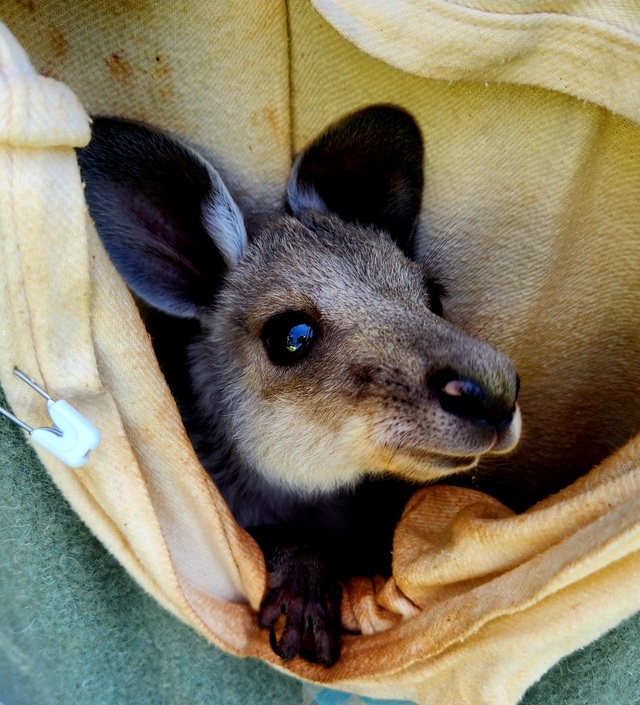
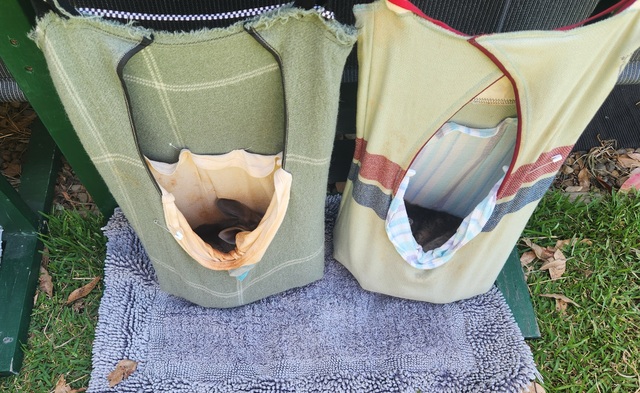
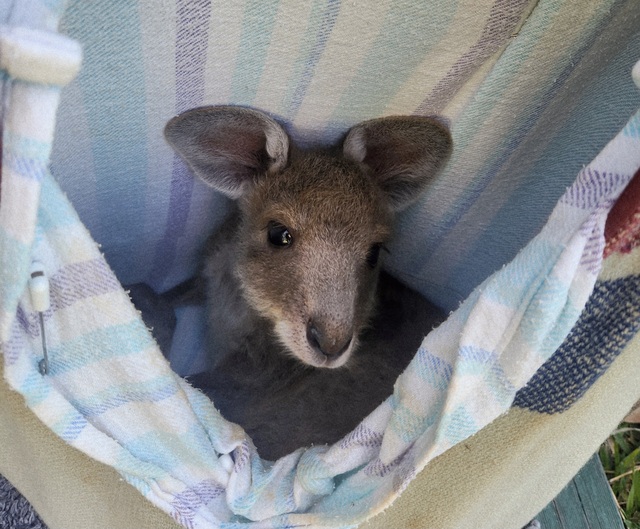
Remy is getting excited, wriggling and stretching as he tries to manoeuvre himself out of his handmade, carefully stitched pouch – his home for the past few months.
It’s hard to tell whether the six-month-old joey is eager to explore the world beyond the fabric or he’s simply ready for his next bottle.
Either way, Remy knows he’s safe.
Remy is one of four young joeys currently being cared for at Second Chance Wildlife Sanctuary in Black Mountain, a place dedicated to giving injured, orphaned and displaced native animals exactly what its name promises – another chance at life.
Alongside Remy are Jasper, Griffen and Koah, all baby male kangaroos, each with a story that began in loss.
They were found abandoned or in need of urgent care and brought to the sanctuary, where dedicated carers Jane Duxberry and Susanne Scheuter – supported by a small team of volunteers – provide round-the-clock attention.
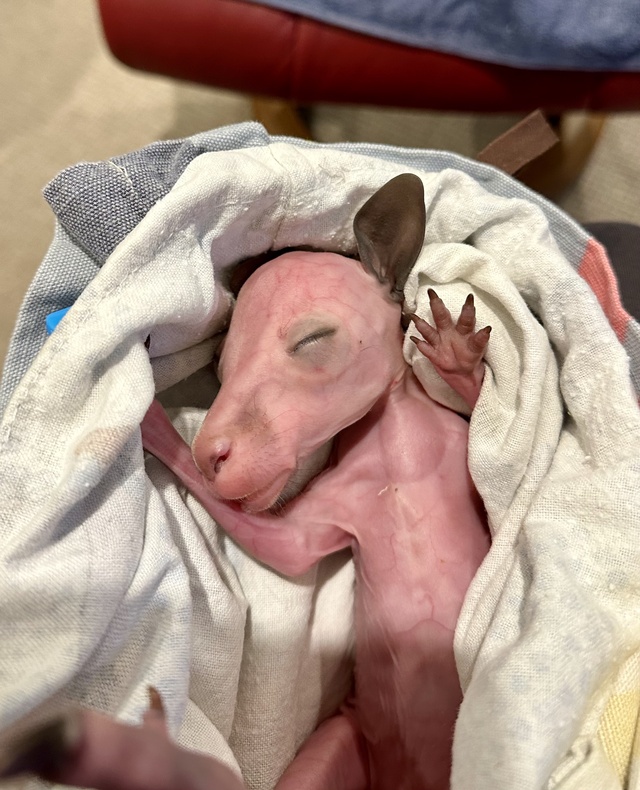
Some of the joeys arrived as what carers call “pinkies” – tiny, furless babies with closed eyes, often no bigger than a finger.
Pinkies are most commonly discovered in the pouches of deceased female kangaroos, usually victims of road accidents.
“People usually find the dead kangaroos on the road or roadside,” Jane said.
“They then check the pouches to see if there are any joeys still alive.”
Those fragile survivors are rushed to the sanctuary, where the real work begins.
Pinkies are placed into a specially set-up incubator, where they may remain for up to two months until they develop fur and are strong enough to move into pouches.
Temperature control, strict hygiene and precise feeding schedules are critical – one small mistake can be the difference between life and death.
“They wouldn’t survive unless we intervened,” Jane said.
“They’re supposed to be with their mothers constantly, so we have to recreate that as closely as possible.”
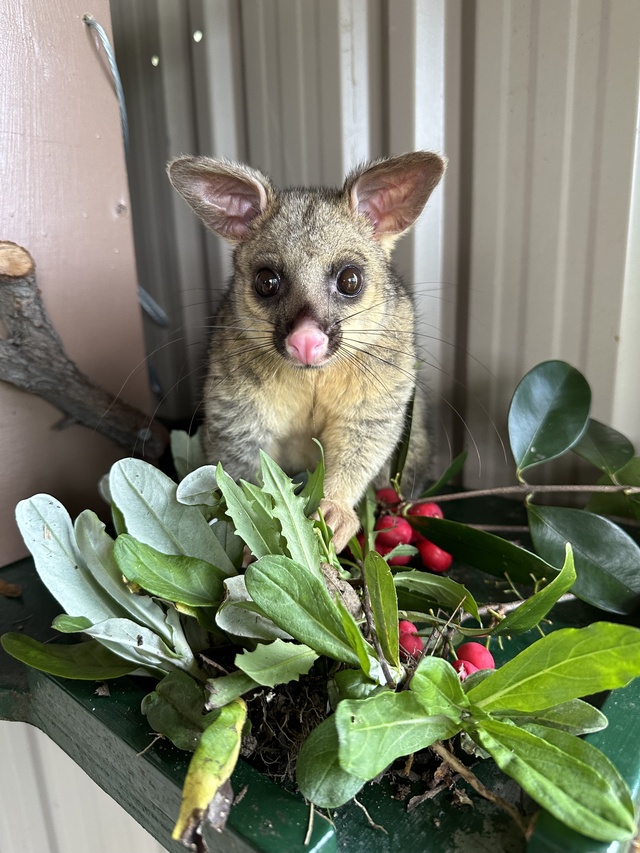
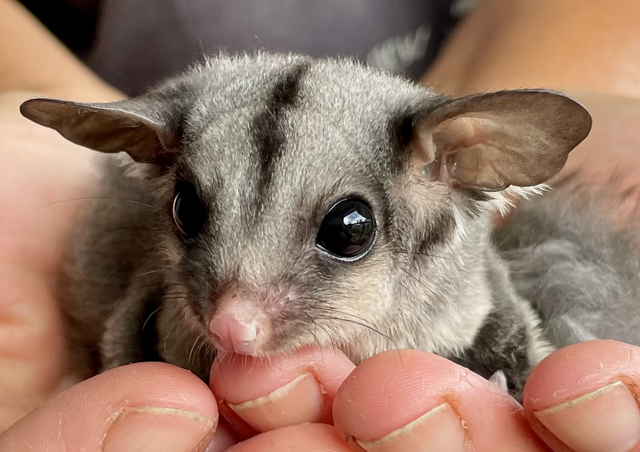
The sanctuary’s work extends well beyond kangaroos. Recently, a baby ring-tailed possum was brought in after its mother was electrocuted. Despite the trauma, the joey survived and is now receiving the same careful, hands-on nurturing as the kangaroos.
Beyond the nursery area, four older joeys are housed in a large pre-release yard measuring about 80 metres long and 20 metres wide.
At around nine months old, these joeys are learning vital skills they’ll need in the wild – grazing naturally, hopping longer distances and developing independence.
“They’re almost ready,” Jane said. “Soon they’ll be free to join a mob outside or start their own.”
While the outcomes are rewarding, the daily workload is demanding.
“It’s seven days a week,” Jane said. “We clean the yards, clean pouches. We pick up poo pellets every day. We also do all the washing – there’s always washing.”
Feeding schedules run day and night, particularly for the youngest animals, who need milk every four hours. Sleep is often broken, and there are no weekends or public holidays when lives are at stake.
“People say it would be great to work with wildlife, but it’s hard work – like looking after children,” Jane said. “Sometimes it’s a 24/7 job.”
Despite the exhaustion, both Jane and Susanne say the emotional connection with each animal keeps them going.
“They all have their own little personalities,” Susanne said.
“Some want cuddles, some want to explore, some are more needy.”
“They’re used to being with their mothers all the time,” Jane added. “So we have to nurture them like that.”
The sanctuary also responds to wildlife emergencies caused by extreme weather events. During severe storms in November, several flying fox babies were rescued after hail battered their roosts.
“The mothers were smashed by hail,” Jane said. “But they use their wings to protect their young. That’s what saved them.”
Each animal that arrives at Second Chance Wildlife Sanctuary represents both heartbreak and hope – a reminder of the dangers wildlife face and the difference human intervention can make.
As Remy finally settles back into his pouch, warm and content, the sanctuary’s mission becomes clear.
“We rescue them, we rehabilitate them and we release them,” Susanne said.
“We give them a second chance.”
For more information about Second Chance Wildlife Sanctuary, or to find out how you can help, visit scws.org.au