PRECEDE
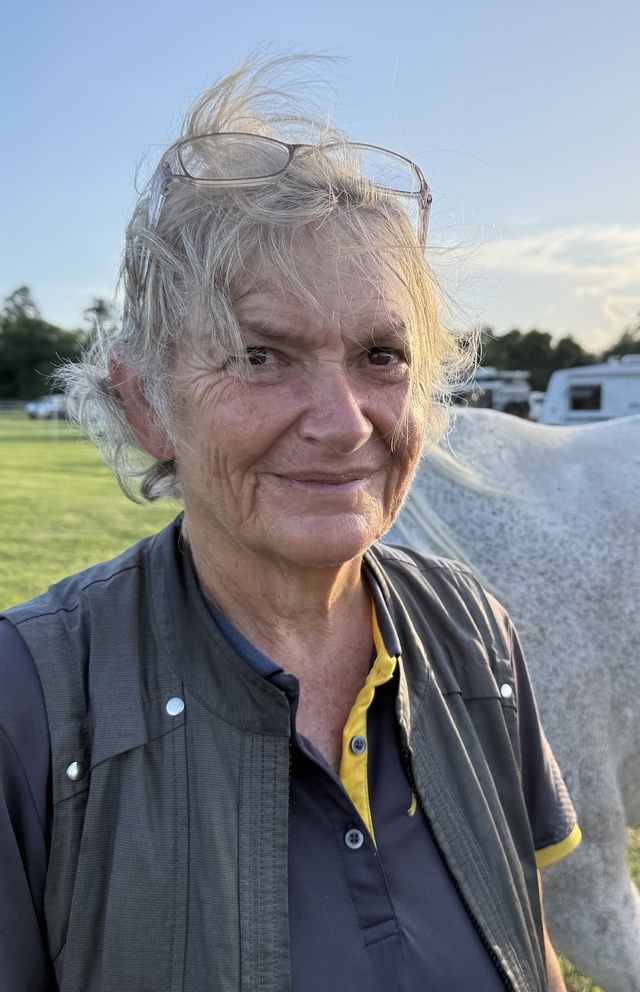
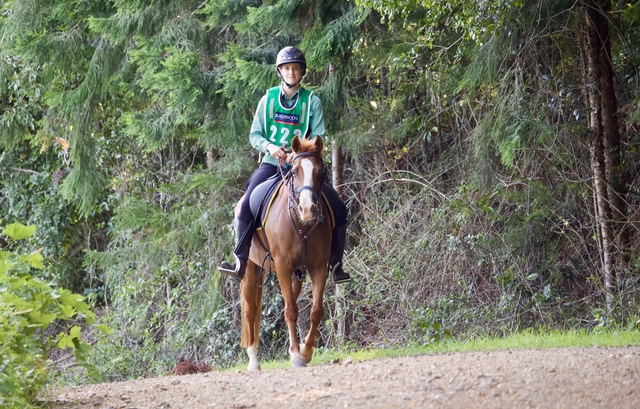
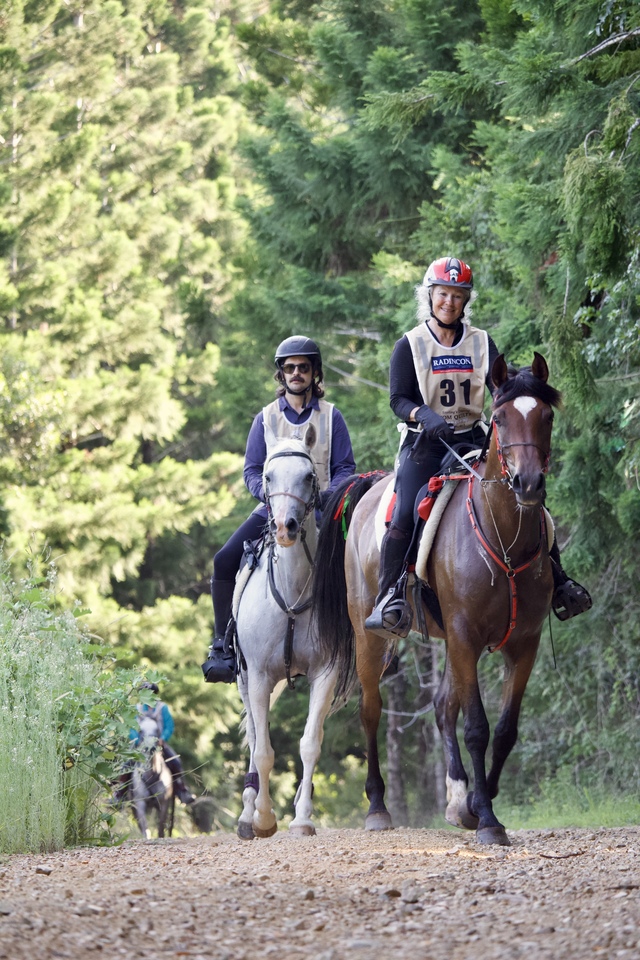
Endurance horse riding is a sport for all ages and all abilities. ERLE LEVEY was at Imbil and spoke to riders with their sights firmly set participating in the 2032 Brisbane Paralympic Games.
BREAKOUT QUOTE
“Endurance riding provides the best connection with horses – physically and psychologically. You cannot be with the horse for so many hours and not be connected.”
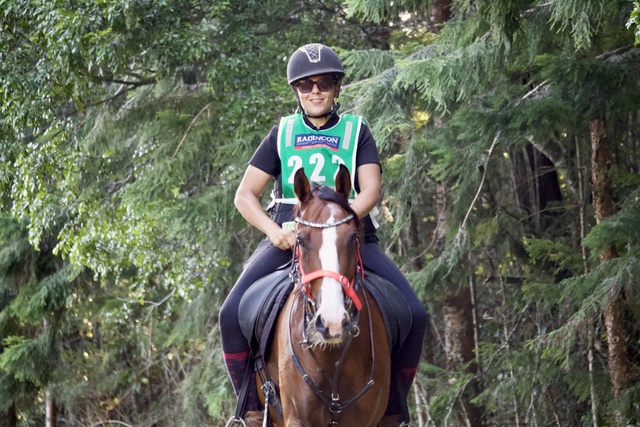
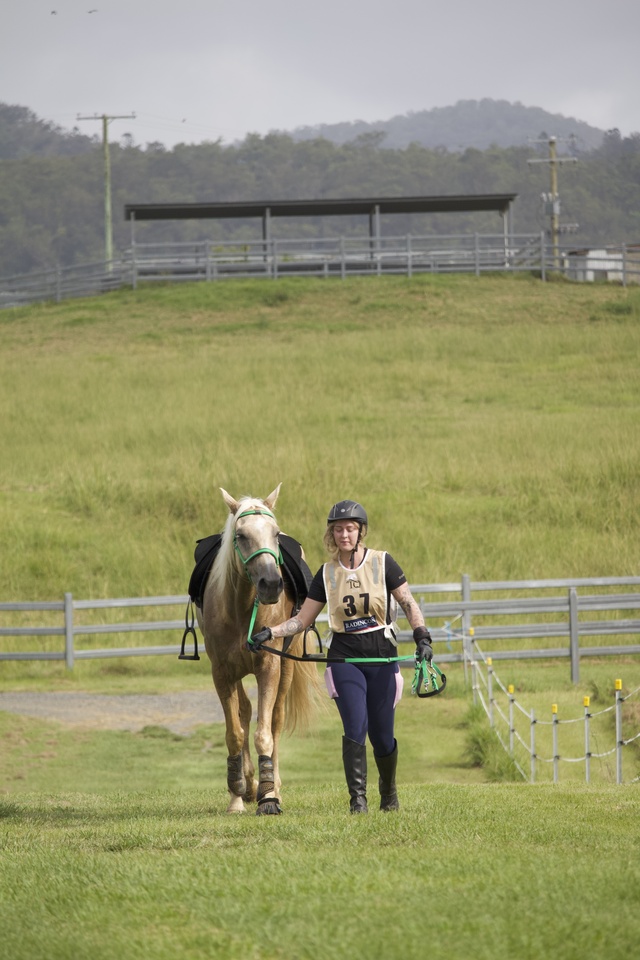
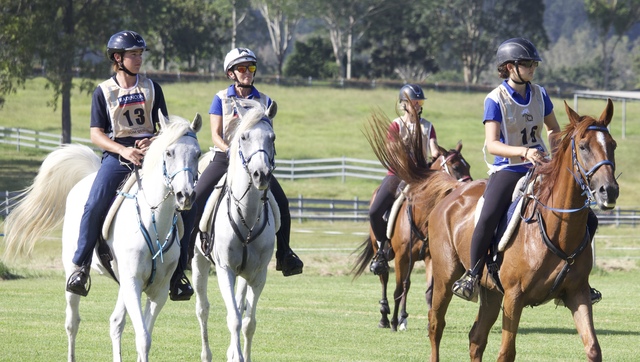
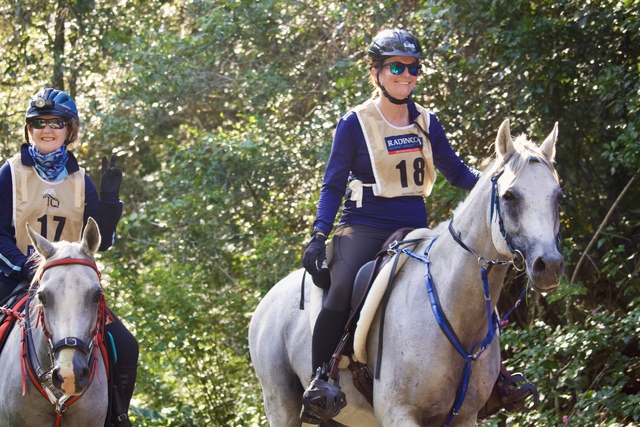
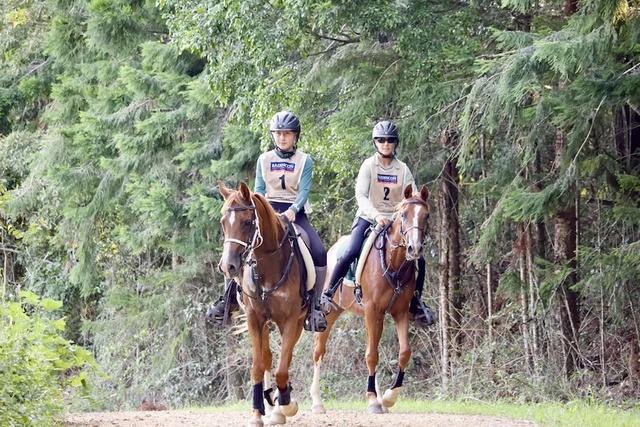
Endurance horse riding encourages participation across all ages and all abilities.
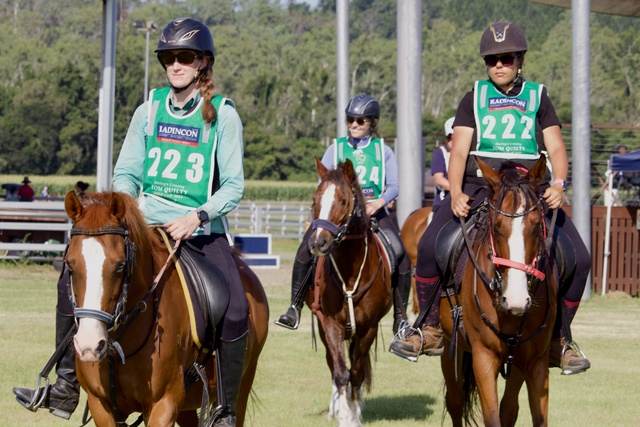
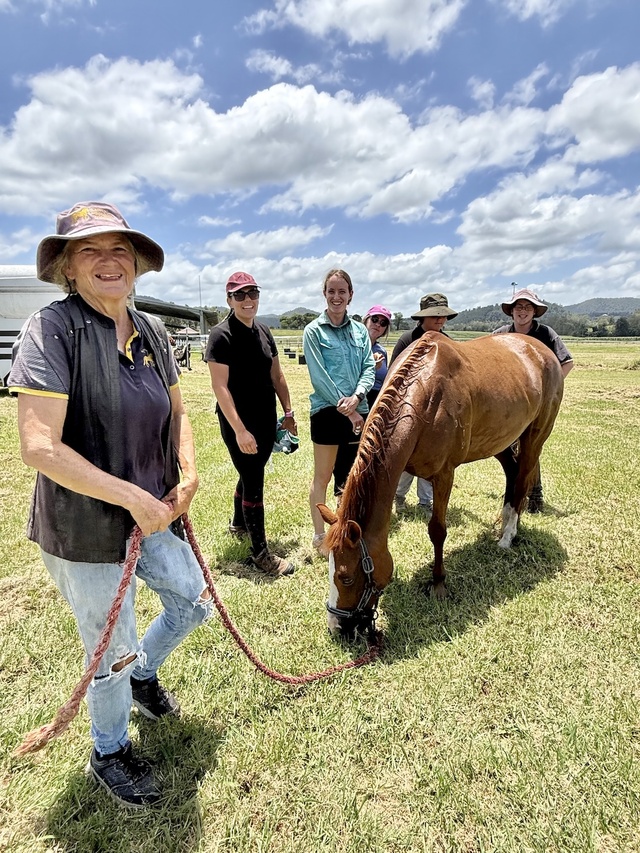
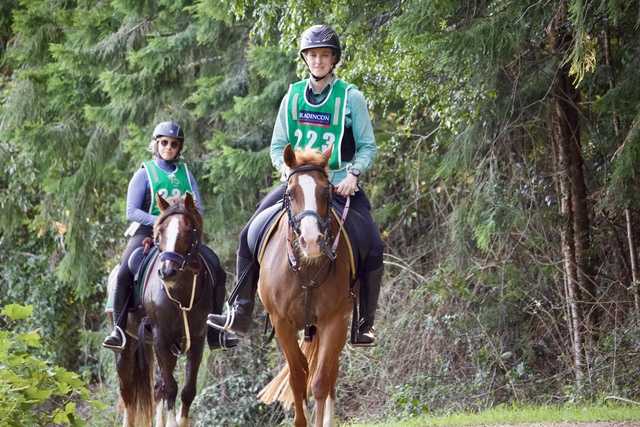
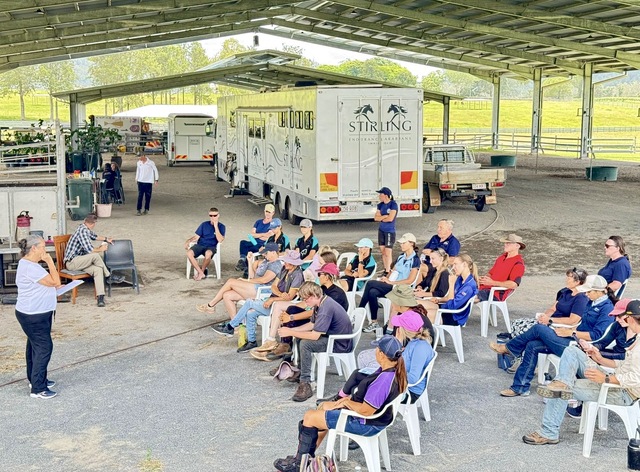
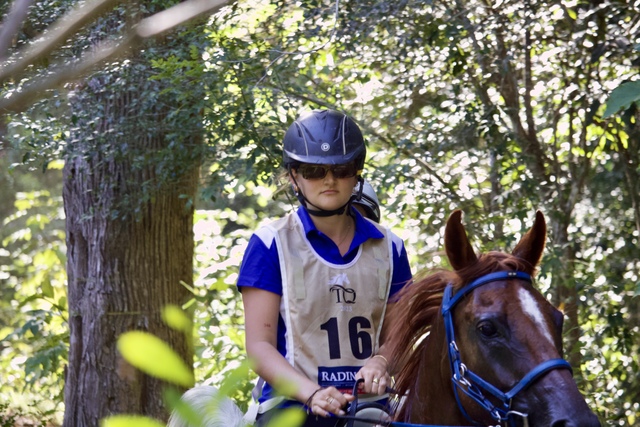
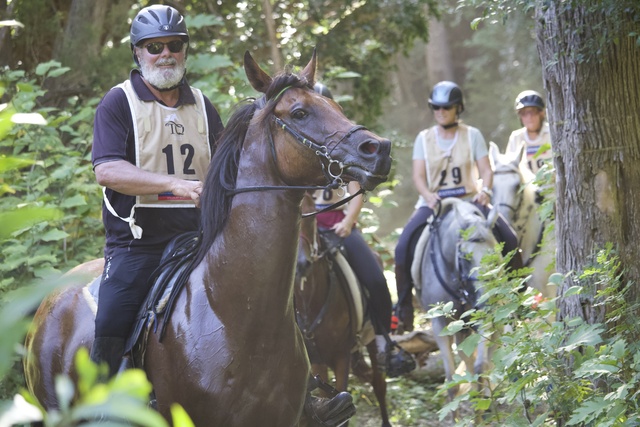
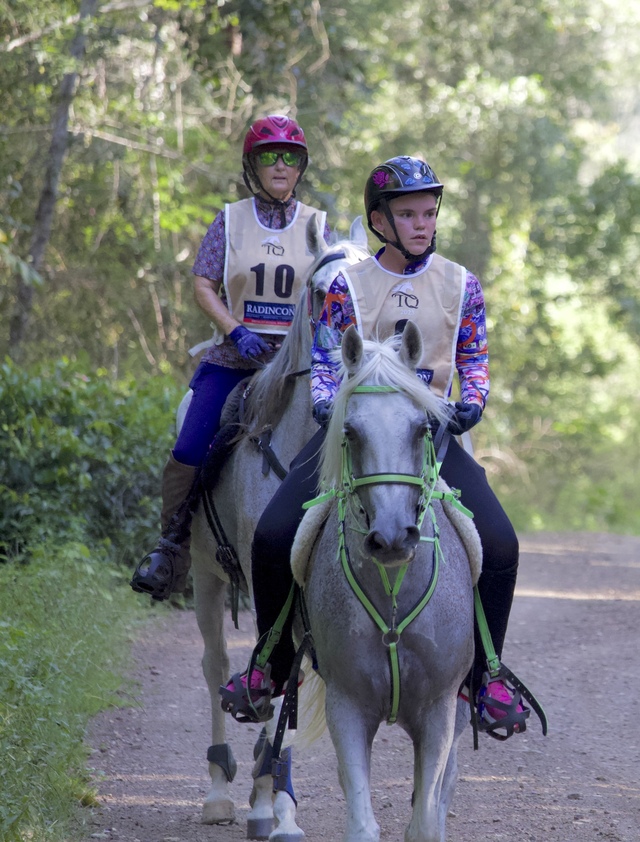
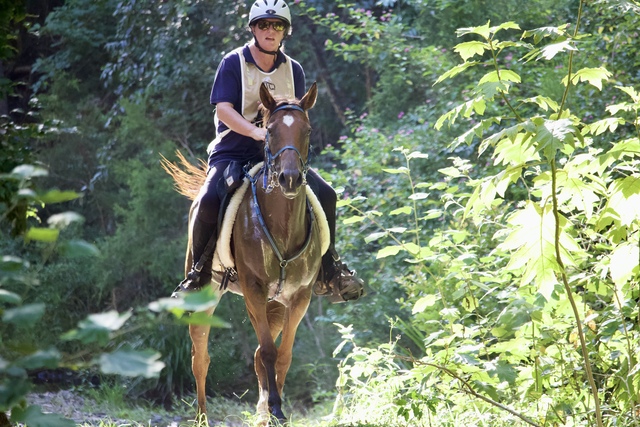
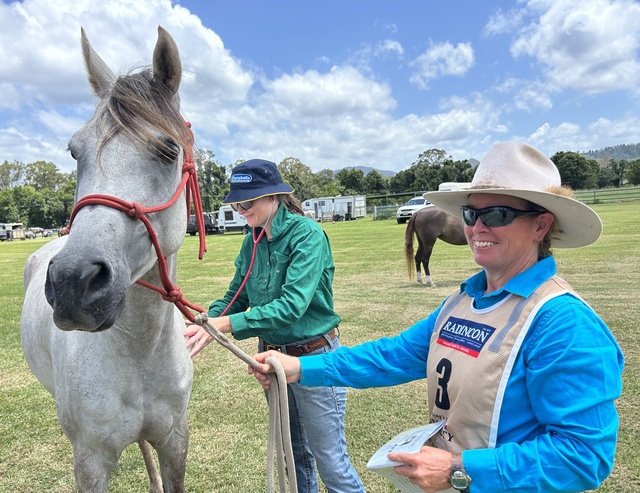
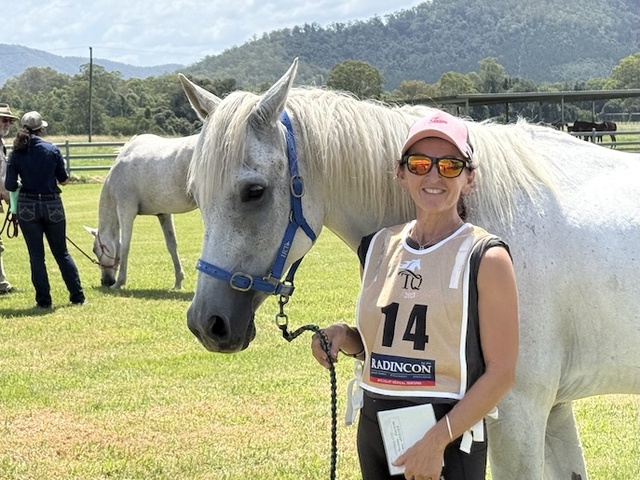
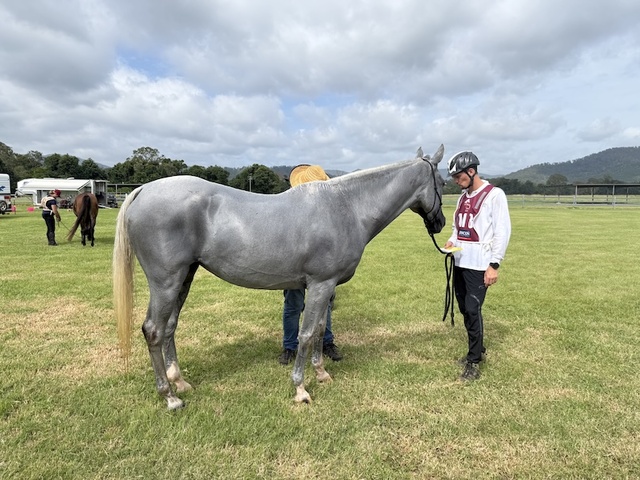
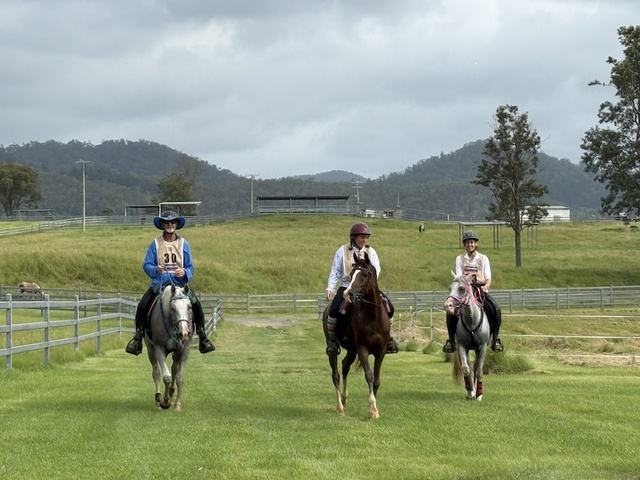
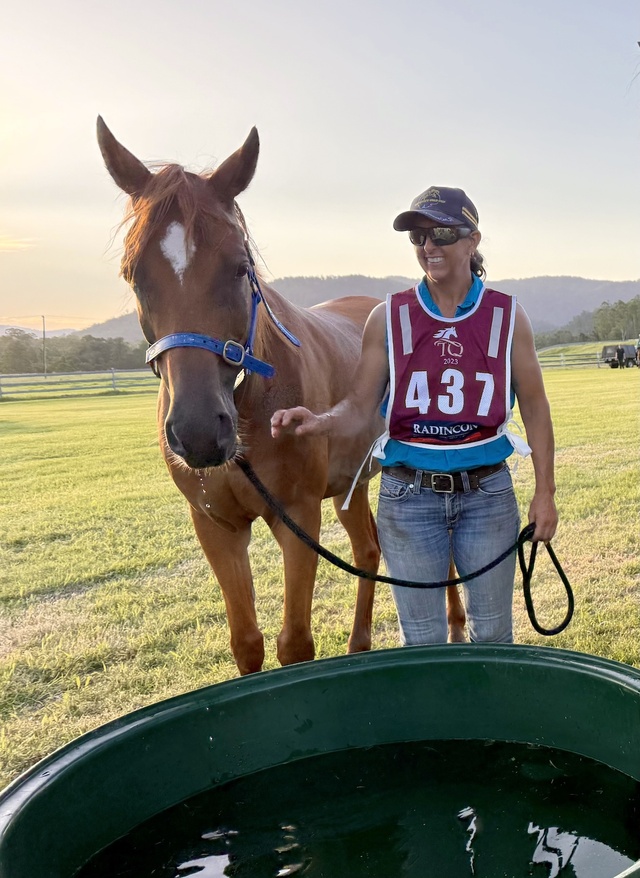
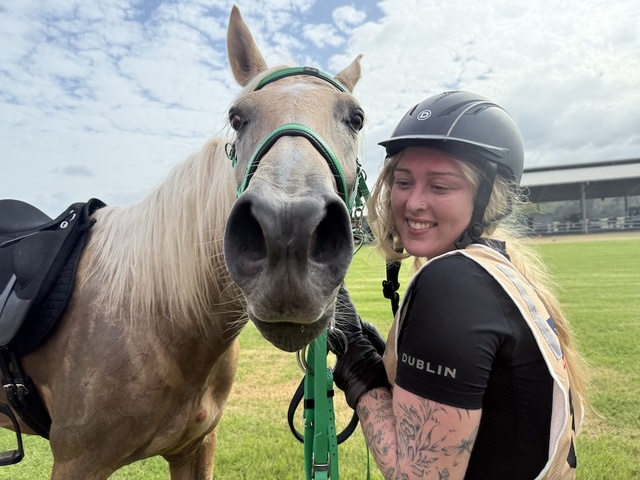
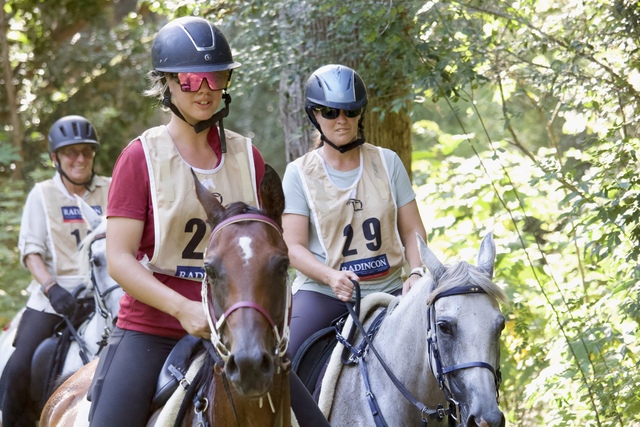
The Stirling’s Crossing Endurance Centre annual education weekend highlighted this, with young riders coming through the sport but also those faced with individual challenges.
Mothers or fathers teamed with daughters or sons in a two-day introduction to the sport that included non-competitive rides.
The age of participants ranged from 12 to 80.
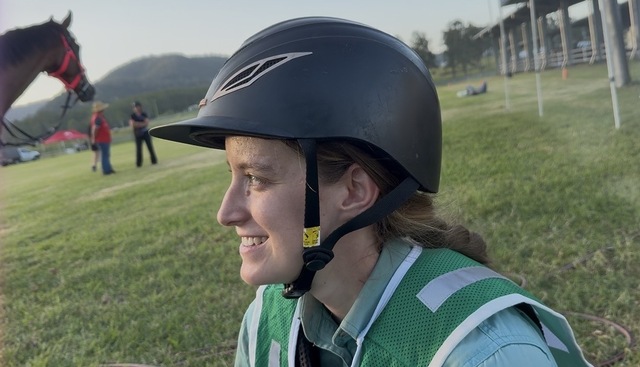
Among them were three riders faced with different challenges in life and who are on a pathway to competing in the 2032 Brisbane Paralympic Games.
Their determination to overcome adversity saw them participate in endurance riding, as a way of becoming competent in the different facets of equestrian.
The efforts of the trio provided inspiration to other riders as they set out on their individual endurance journeys.
Many have the goal of participating in the 2026 Tom Quilty Gold Cup – the premier endurance event on the Australian calendar.
The 160km ride in 24 hours is to take place at Stirling’s Crossing in July this year, as part of a rotational program of hosting the event throughout Australia’s states.
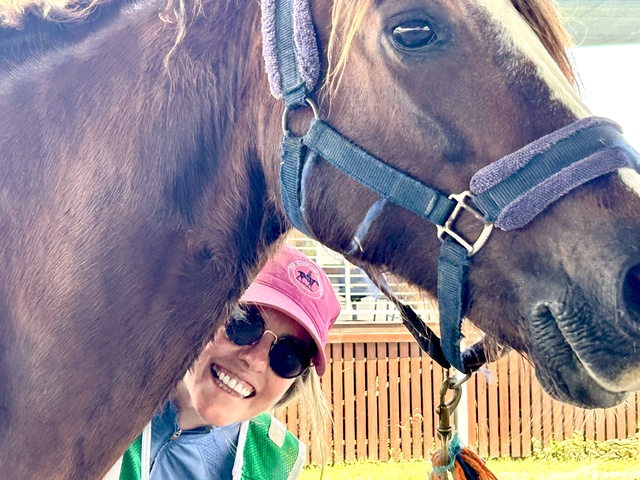
Katie Genn, Zoe Davison and Larissa De Paula were at the education weekend under the direction of Corby Cunnington from Carousel Competition Training at Nanango.
Corby has 50 years of horse riding experience behind her and is involved with Equine Pathways Australia, a conduit for those transitioning from riding for the disabled to being considered for selection in the Australian para-equestrian squad and ultimately compete at the paralympics.
“It’s picking the people out from the local and Australian level, then putting them forward for world competitions,’’ Corby said.
For Zoe Davison, from Cooroy, her life changed as the result of a car accident. Growing up, she had competed in showjumping and gymkhana, as well as doing pony clubs and hunter trials – cross-country competitions simulating hunting conditions, and testing the horse and rider partnership.
As a result of the accident Zoe developed brain paralysis to the left side of her body and has since used therapy riding lessons.
“Doing more therapy riding has got my balance back. That is at Riding for the Disabled at Yandina.
“Then I started doing para dressage about three years ago and that’s how I met Corby and got my pony.
“Fearless is an absolute legend.
“Horse riding has brought a whole life identity, a sense of freedom, connection and drive.
“You know, I think horses are very inspiring. They need you and you need them. They wouldn’t be happy without me.’’
Larissa is from the Gold Coast and has been with Corby for four years. With her autism and being a Virtus rider – suffering intellectual impairment and neurodiversity – she tends to benefit from the focus and care needed in horse riding, the attention to detail, and sometimes quite creative perspectives.
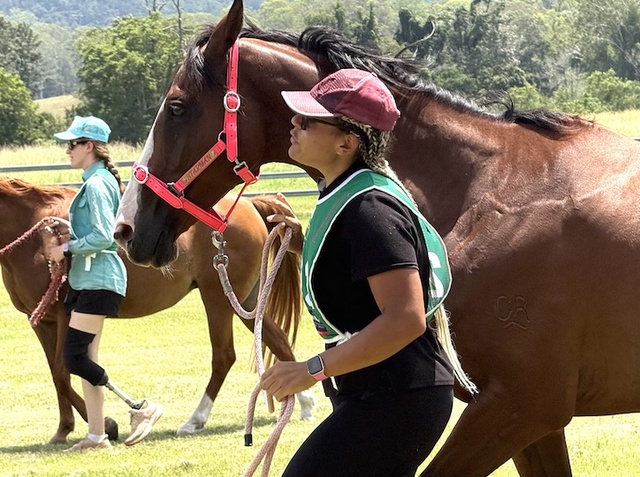
Katie Genn regularly makes the five-hour drive from Mount Larcom, west of Gladstone, to Nanango to train with Corby.
Initially from Mooloolah Valley on the Sunshine Coast, Katie started riding lessons as a child at West Woombye with Keith Low.
Katie, now aged 30, came back to riding after her leg was amputated below the knee 10 years ago.
That was the result of her horse falling and crushing her left foot.
Being able to come back from that and to continue to aim high in life says so much about her inner drive and determination.
“I’ve been at Mt Larcom for five years, so we’re still new to the area,’’ Katie laughs.
“Keith Low was wonderful. We had a lot of fun there.
“After I had a horse fall on me, the specialists at the Wesley Hospital put my leg back together but it fell apart.
“They put it back together again and it fell apart once more. There just wasn’t enough strong bone to keep it together.
“After that, we said that we’re done. It’s so much better now with prosthetics.
“I’ve been back riding before I was walking. I didn’t have a leg but it was so nice.
“As a kid, you would just get on a horse and go. You have no fear.
“Keith encouraged that. I spent many hours out there riding all the different ponies.’’
Corby, who has been riding since a child growing up at Chinchilla, was doing a clinic at Rockhampton when Katie was put in touch with her through Equine Pathways Australia (EPA).
Based in Melbourne’s outer eastern green suburbs, EPA offers all people with disabilities – whether acquired at birth, through illness or accident – the chance to participate in a community-based program, sharing their life experiences and goals by exploring para equestrian activities.
Their mission is accomplished through integrated health, community and sporting participation programs and the identification and creation of vocational pathways.
EPA founder Julia Battams together with Sally Francis and Mary Longden have all been involved in equestrian sport for many years, not only in able bodied sport, but also in riding for the disabled, high performance and paralympic sport.
Between them, they have coached riders at all levels and have been in head coach or management roles at 10 Paralympic Games, 15 World Championships and countless other international events.
EPA has five discreet sectors or pathways, each with its own specific outcome for a participant: Therapeutic riding, recreational, club level, high performance and vocational.
In the short term, Katie and Zoe will this month be attending Dressage by the Sea at Willinga Park Equestrian Centre at Bawley Point.
On the New South Wales South Coast, Willinga Park was the vision of the founder, the late Terry Snow, and is a multi-venue, fully-equipped equestrian complex set into the coastal landscape.
It plays an important role in the classification pathway of the Para Equestrian (Para Dressage) system in Australia
“That’s going to be very exciting,’’ Katie said. “We get classified for international competition and hope we get a good score to play around with.’’
The facility provides international-standard events – Concours de Dressage International Para-Équestre or CPEDIs – where riders with physical impairments can achieve Minimum Eligibility Requirements (MERs) and gain classifications (Grades I-V) for major competitions such as the Paralympics.
In this way Willinga Park acts as a key venue for developing and assessing athletes against international standards for fair competition.
The riders were at Stirling’s Crossing Equestrian Centre to broaden their skills.
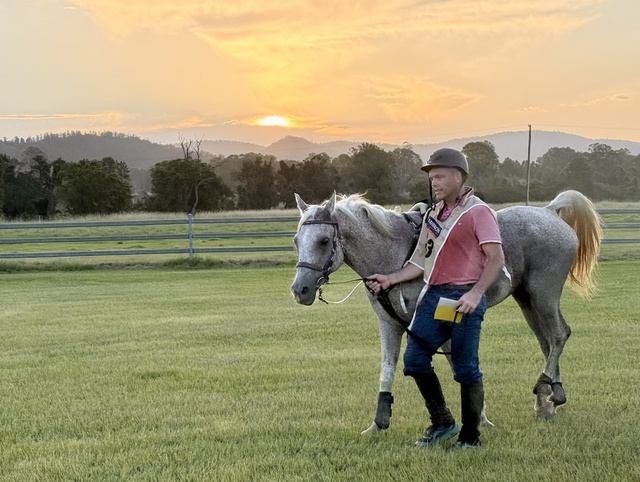
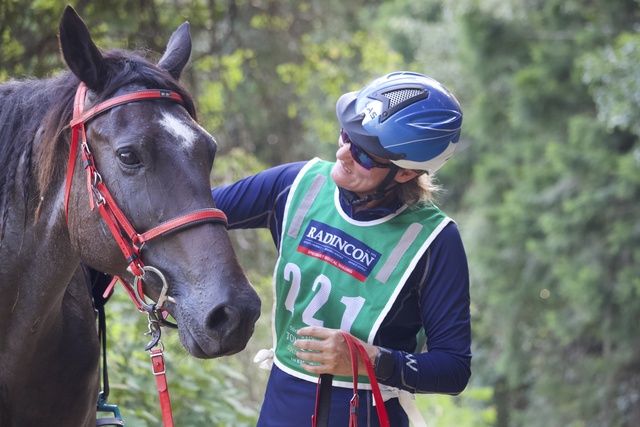
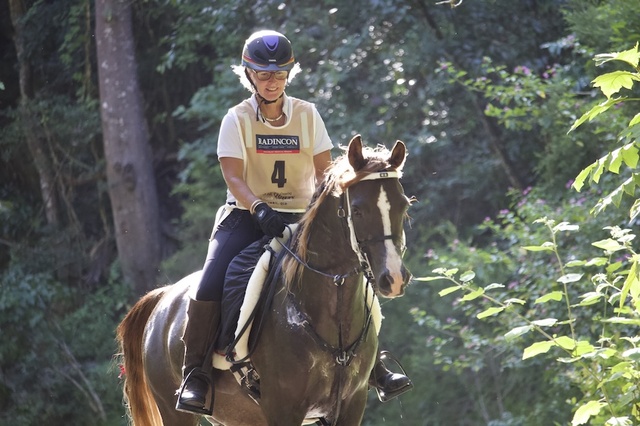
“Endurance riding provides the best connection with horses – physically and psychologically,’’ Corby said.
“You cannot be with the horse for so many hours and not be connected. Riders need to be observant of both the physical and psychological aspects of the horse.
“Being observant of those things … that is what you expect of every endurance rider.
“The welfare of the horse is improved by the rider’s observational skills and in return their knowledge is improved by endurance.’’
Katie and Zoe have been offered rides in Europe later this year if they can attain enough points to qualify for the Australian Para-Equestrian Team.
EPA’s Julia Battams has indicated they will compete on borrowed horses if selected.
A good connection has also been established with Arundel Park Riding for Disabled at Coombabah on the Gold Coast for training.
That sees Arundel coaches teaching the different disciplines involved in Virtus, but also provides an occupational therapist, dietician, podiatrist and psychologist. In that way they are looking after the whole athlete.
For Katie, getting back on a horse after her accident and subsequent surgery was a matter of having a positive approach.
“I thought: ’Yes, you can do this …. get up and do it.’
“I had a good network and felt it’s possible to go for it … let’s try it.
“A lot of people have pointed me in the right direction.
“It’s really just sheer determination. Never stop, just keep trying.
“At first I went on crutches but didn’t recover – so, being sick of rehab, it was a matter of finding options … moving on with life.
“You cannot let it stop you.’’
Katie admits it’s the drive down from Mt Larcom every second weekend that takes time and effort, but her twin brother Michael looks after the horses and dogs while she’s away.
With a degree in chemical and biological engineering from the University of Queensland, Katie has a role with Queensland Alumina that involves coordinating and executing emissions reporting with the Clean Energy Regulator.
Stirling’s Crossing was Katie’s second endurance ride, after completing a 20km event at Wondai last year.
“It was a good experience,’’ she said of the most recent ride. “It’s nice for the ponies to get out and do something different.
“That helps builds the connection with the pony, and I’m hoping to do another one or two this year.
“In this way you learn a lot – how to manage the horse to ensure it is comfortable over the distance. Whether he is tired or feeling good,.
“It’s about making it the most enjoyable experience for both of you.’’
Not content with dressage and endurance, Katie is also a Queensland champion for horse and carriage driving.
The championships were held in September last year at Nanango, with competitors driving a four-wheel carriage in different classes. One is with dressage in which they follow the same course and movements as traditional dressage.
On top of that, Katie enjoys running in order to keep up her fitness for riding.
Her longest run has been 15km and she finds it provides a nice break from work as well as being able to take the dogs when possible.
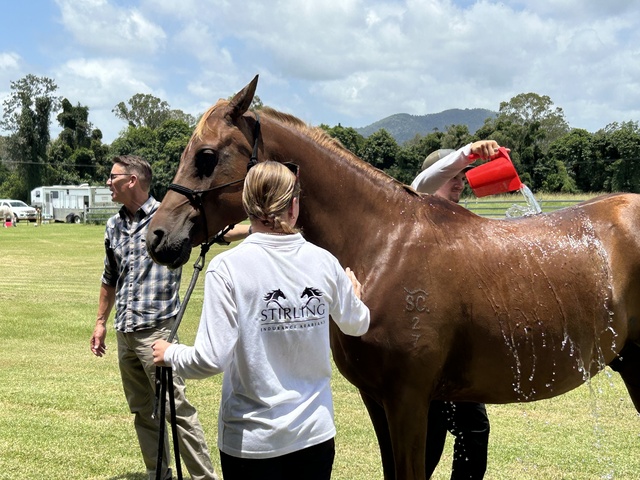
The Australia Day weekend at Imbil saw the extreme heat testing able-bodied riders to complete the course.
Seeing the determination and resilience of riders such as Katie, Zoe and Larissa to tackle and make the most of life’s opportunities was certainly uplifting.
Under the guidance of people such as Corby, they are showing that despite the barriers that can exist, that nothing is going to stop them from leading the best life they can.
SUCCESSFUL WEEKEND
The four rides held at Stirling’s Crossing Equestrian Centre provided a positive start to the endurance season.
There were 82 entries and a completion rate of 90 percent overall.
This completion rate is good for any event and is testament to the care given by riders to their horses in testing conditions.
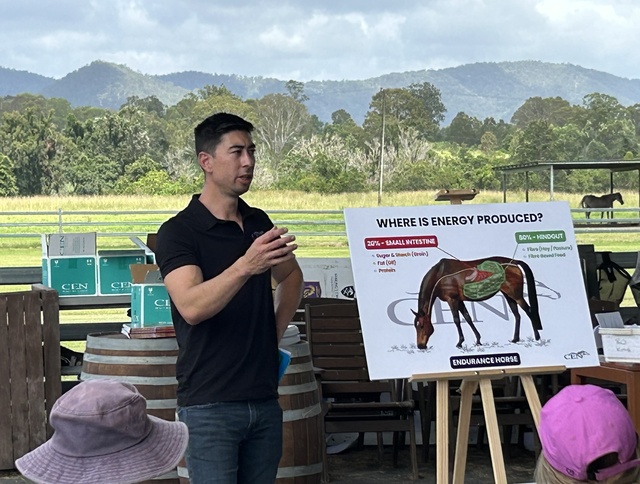
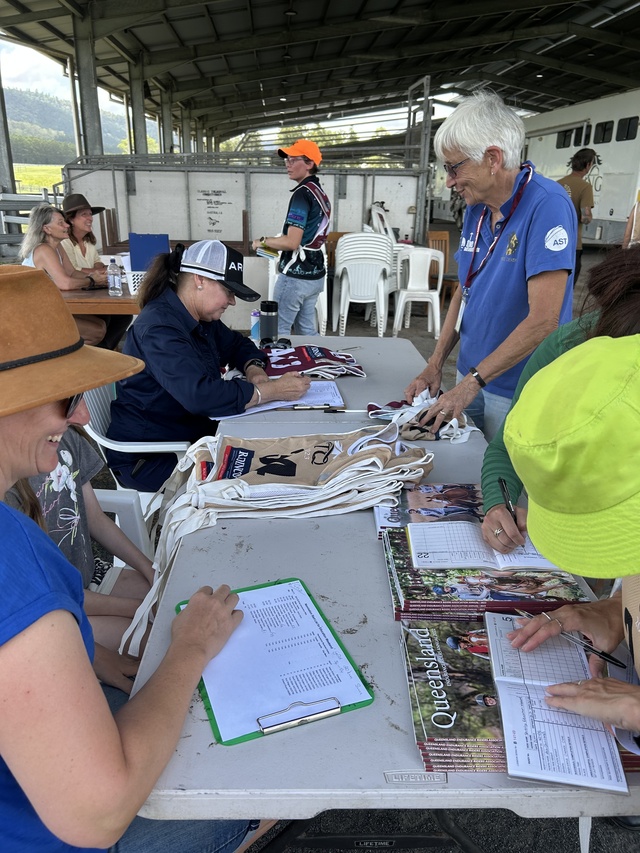
The presenters for the education component on Saturday morning were Bryan Meggit from CEN Horse Nutrition, Brook Sample, Dr Stacey Grimshaw, chief steward Chris Nichols and Matty Sample.
All presenters engaged attendees in conversations of the various aspects of preparing horses, caring for horses and presenting horses at their best.
With this sort of quality preparation early in the season, the Tom Quilty Gold Cup to be held at Imbil in July promises to be a huge success – especially as it will be the 60th year of running this national event.