Queensland has a critical opportunity to reverse rising e-mobility injuries and become a world leader in micromobility safety, according to the RACQ, as new data reveals a sharp increase in hospital presentations linked to e-scooters and other electric devices.
Research from the Queensland Injury Surveillance Unit (QISU) shows around 2,000 people presented to emergency departments across the state in 2025 with e-mobility-related injuries — a 23 per cent increase on 2024 and a 45 per cent rise compared with 2023.
The data, collected from 36 hospitals, is estimated to represent just 25 to 30 per cent of all emergency presentations, suggesting the true number of injuries is significantly higher.
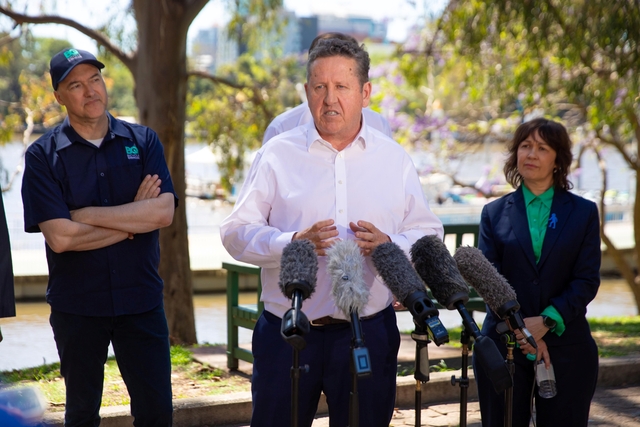
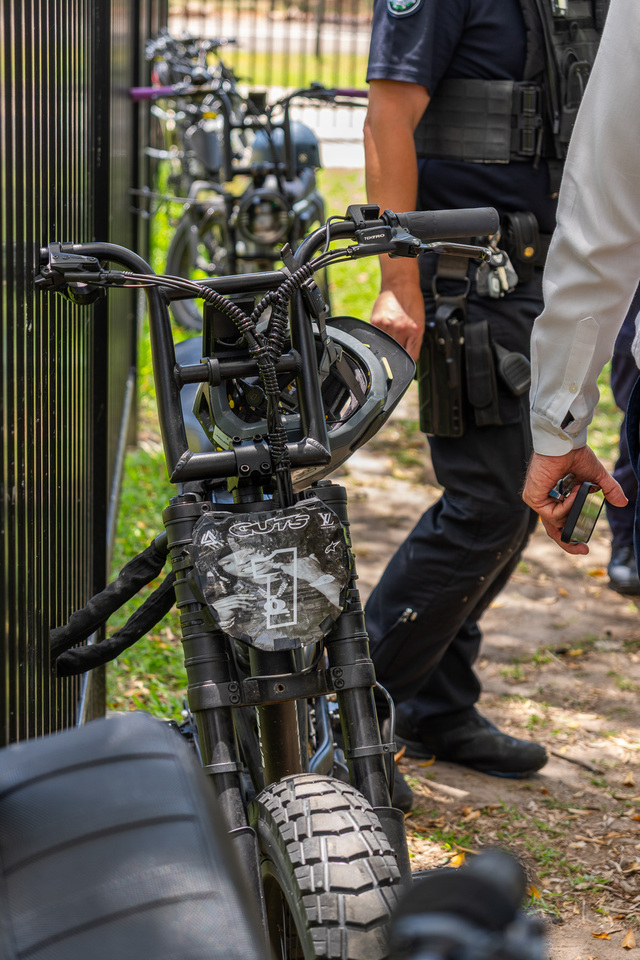
Noosa MP Sandy Bolton said: “The Queensland Injury Surveillance Unit data reflects what our community and first responders have been raising, and that we have taken to successive governments for the last five years. Illegal e-motorbikes, illegally modified e-bikes and a rise in dangerous behaviours presented a known safety issue on our streets and pathways with often devastating consequences.”
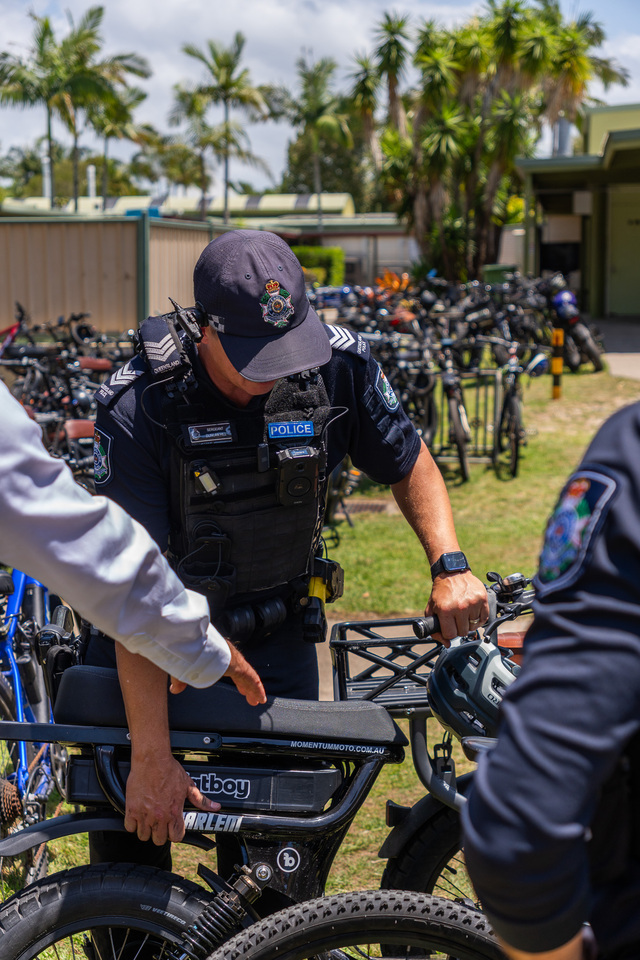
“We have consistently called for stronger enforcement both on our streets and on retailers selling non-compliant products, increased education and practical reforms, including an e-tag identification program to help police, schools and families identify illegal devices.”
“Even though the parliamentary inquiry into e-mobility safety was welcomed by many, it came far too late for many Queenslanders who have had their lives lost or shattered, and it was disappointing that our previous efforts for the inquiry report to be delivered in less than half the time, was not supported by government.”
RACQ Head of Public Policy Dr Michael Kane said the figures point to a rapidly escalating safety issue, with an imminent Parliamentary Inquiry report offering a chance to change course.
“Queensland’s e-mobility crisis has reached tipping point, and the upcoming report provides a clear-cut opportunity to protect lives,” Dr Kane said.
“We welcome the Premier’s commitment to delivering the strongest response in the nation, particularly given Queensland’s rate of hospitalisations.”
Submissions to the inquiry highlighted the human impact behind the statistics, including one Queenslander who suffered serious spinal injuries after being struck by an e-scooter travelling at about 50km/h while riding home from work. Another submission described a cyclist hit by an e-scooter, resulting in an eight-week hospital stay and months of rehabilitation.
RACQ, alongside Bicycle Queensland and Queensland Walks, is urging the Parliamentary Committee to recommend urgent reforms across five key areas: enforcement, retail, education, infrastructure and hire schemes.
Dr Kane said stronger enforcement was needed to remove illegal high-powered devices from streets and footpaths, including clearer definitions of legal e-bikes and e-scooters, tougher penalties and expanded enforcement powers for police and transport officers.
The groups are also calling for a crackdown on rogue retailers selling unsafe devices, improved statewide data collection and public education campaigns, and increased investment in safer footpaths, shared paths and separated bike lanes.
Hire schemes should also be overhauled, RACQ says, with dedicated parking funded by operators, greater transparency, and a shift towards safer sit-down shared scooters to reduce collisions and footpath clutter.
“Without decisive action, Queensland will continue to see preventable injuries and tragedies,” Dr Kane said.
The Parliamentary Inquiry’s report is expected to be handed down in coming weeks.