A record eight-year jail term handed to a Sydney wildlife trafficker is being hailed as a strong warning to anyone seeking to profit from Australia’s native reptiles – including in biodiversity hotspots such as Noosa.
Sixty-one-year-old Neil Simpson was sentenced in the Downing Centre NSW District Court to eight years’ imprisonment, with a non-parole period of five years and four months, for attempting to export protected Australian reptiles to Hong Kong, Romania, South Korea and Sri Lanka.
The prosecution, led by the Commonwealth Director of Public Prosecutions, resulted in what authorities say is the largest sentence imposed on a wildlife smuggler in Australia.
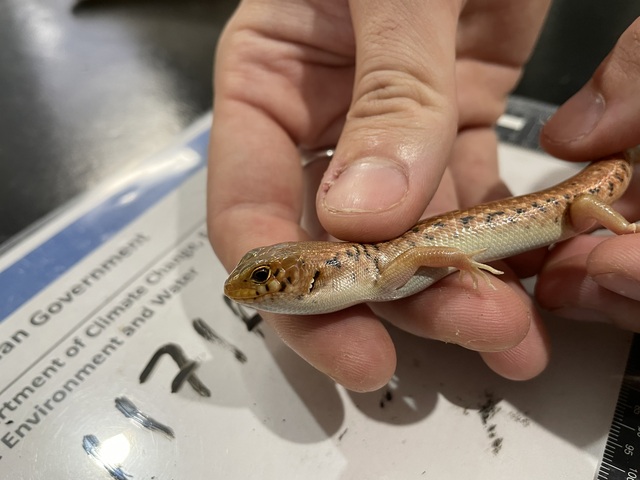
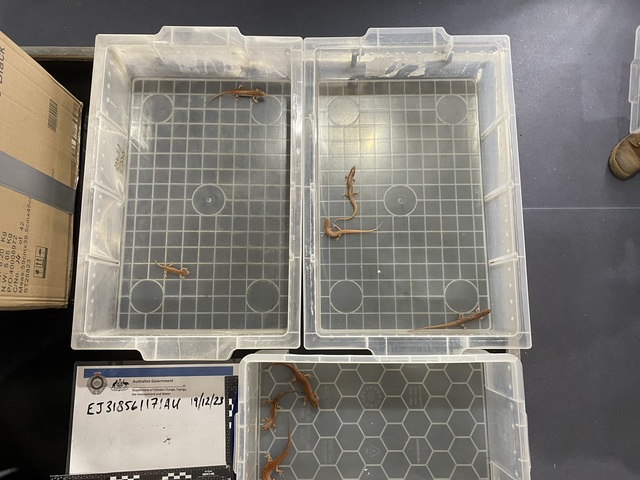
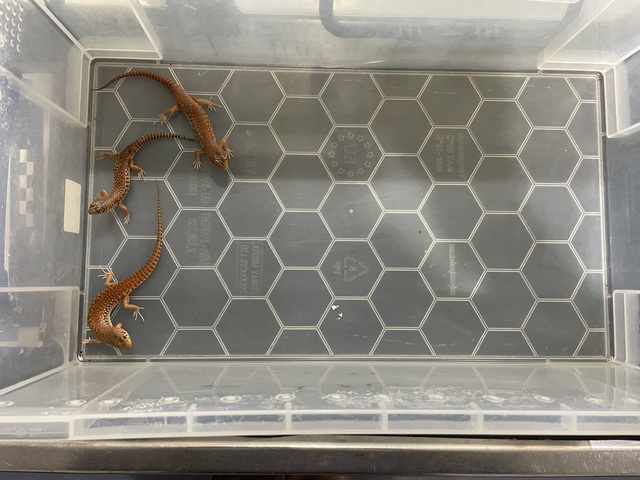
Investigators from the Department of Climate Change, Energy, the Environment and Water (DCCEEW) recovered 101 live reptiles from 15 intercepted parcels sent between 2018 and 2023. Hundreds more animals were seized during subsequent search warrants under Operations Buckland and Pandora, carried out with the assistance of NSW Police Force.
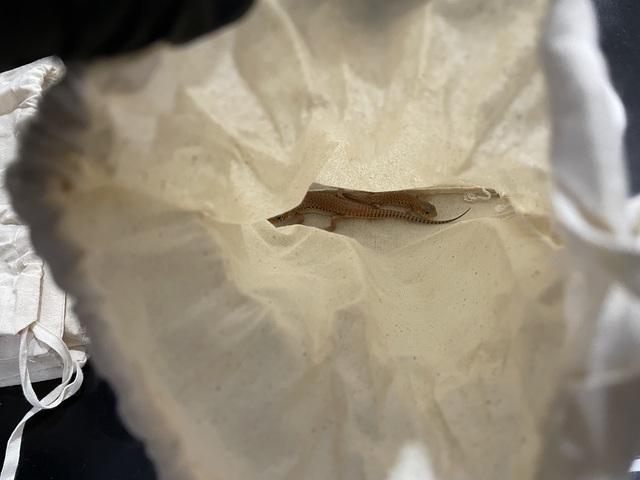
The reptiles – including shinglebacks, blue-tongue lizards, bearded dragons and spiny-tailed skinks – were hidden in calico bags concealed inside popcorn packets, biscuit tins and even a women’s handbag.
Authorities say the illegal trade is driven by strong demand in overseas black markets, where Australia’s unique reptiles can command high prices.
While the offences occurred in New South Wales, environmental authorities say the case is relevant to regions such as Noosa and the Sunshine Coast, which are home to diverse native reptile populations across coastal bushland, national parks and hinterland reserves.
Under the national environment law, the Environment Protection and Biodiversity Conservation (EPBC) Act, exporting regulated native species without a permit carries a maximum penalty of 10 years’ imprisonment and/or a $330,000 fine for individuals.
A DCCEEW spokesperson said the sentence sent a clear message.
“Profiting from illegally exporting our native wildlife will not be tolerated. If you do the crime, you will do the time,” the spokesperson said.
Authorities are urging members of the public to report suspected wildlife smuggling to DCCEEW or Crime Stoppers, warning that the illegal trade strips Australia — including environmentally sensitive communities like Noosa — of its unique biodiversity and undermines conservation efforts.
Officials say advanced parcel screening technologies are now routinely used to detect concealed animals at the border, with investigators able to quickly trace senders and dismantle criminal networks.