Noosa motorists are being urged to take extra care on local roads as wildlife experts warn Trauma Season is “far from over”, with record patient numbers at the Australia Zoo Wildlife Hospital raising alarm across the region.
The Beerwah-based hospital, founded by Terri Irwin, says September to February is always its busiest and most confronting period, as native animals move more frequently in search of food, water, shelter and mates during the warmer months.
Hospital Manager and Veterinarian Dr Ludo Valenza said this season had seen a dramatic spike in admissions.
“Admissions are rising every year. The 2025-2026 season has recorded almost 2000 more patients than the previous season,” Dr Ludo said.
With Noosa’s mix of bushland, hinterland and expanding residential areas, wildlife carers say the same seasonal pressures are being felt locally, particularly along busy roads near forested areas.
Motor vehicle strikes remain one of the leading causes of injury during Trauma Season, with drivers urged to slow down at dawn and dusk when animals are most active.
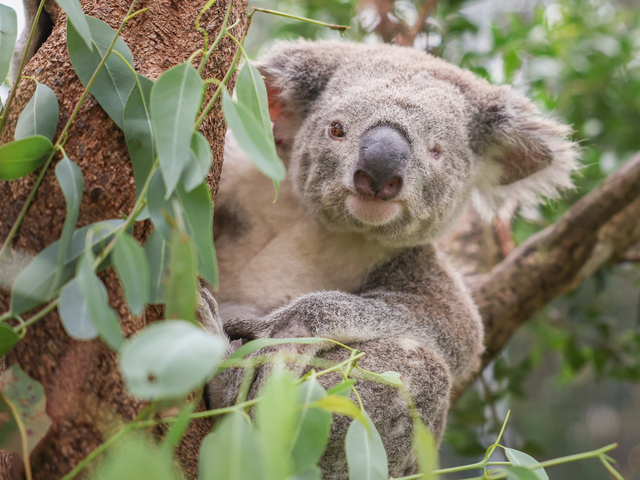
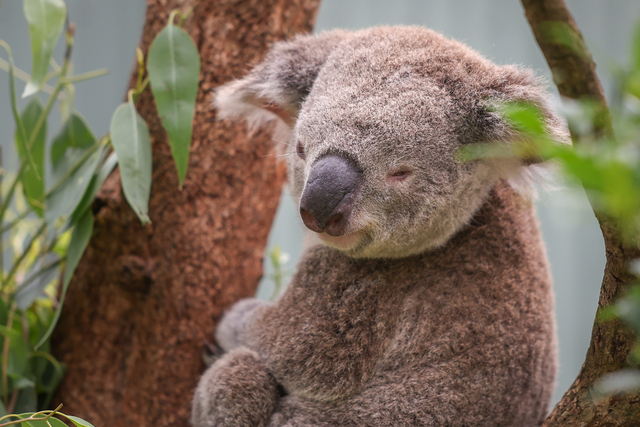
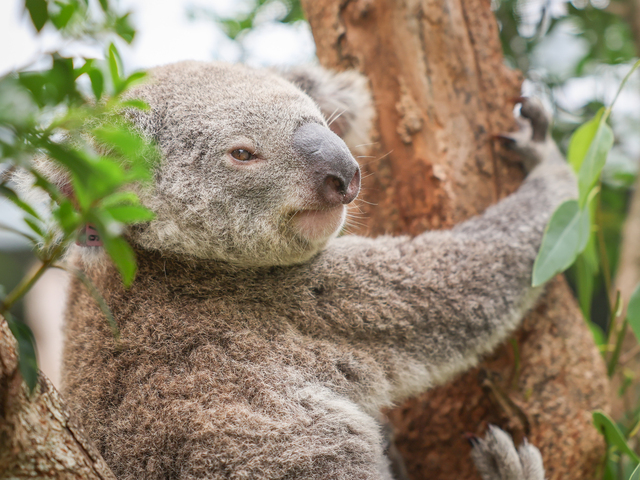
Among the hospital’s recent patients is Flower the koala, who was admitted in December after being hit by a car in Central Queensland.
She was transported more than 10 hours to the hospital’s rehabilitation facility for urgent treatment.
“Flower is a special patient here at the Wildlife Hospital, as she was rescued and transported by my Mum to receive urgent treatment,” Dr Ludo said.
“She had sustained severe facial trauma, including a fractured jaw and a ruptured eye.”
“Thankfully, the position of the fracture allowed it to heal naturally over time.”
“Flower was placed on fluids, received pain relief and anti-inflammatory medication, and was looked after in the ICU during the first few weeks of her recovery.”
“While Flower has lost vision in her ruptured left eye, her right eye remains perfectly healthy, and she has been healing wonderfully since coming into our care.”
Flower is now in a large rehabilitation enclosure where she is relearning to climb tall eucalyptus trees and adjust to vision in one eye. She is expected to be released back into the wild in Central Queensland after about a month.
Dr Ludo said every koala life mattered.
“Koalas are classified as an endangered species here in Queensland and New South Wales, making it critically important to save every life and preserve their population for future generations.”
The wildlife hospital operates 24 hours a day, seven days a week, treating sick, injured and orphaned native animals from across the Sunshine Coast and beyond.