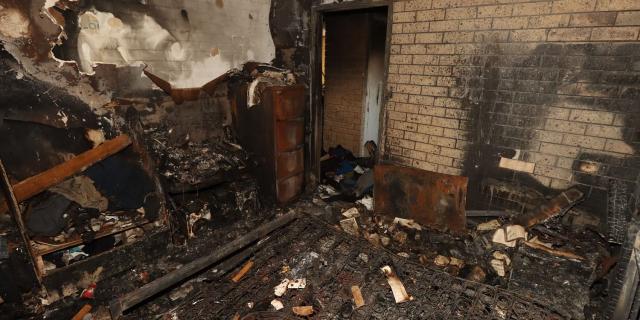
Queensland is seeing a concerning increase in fires linked to lithium-ion batteries, particularly from e-bikes, e-scooters, and household power tools, with recent data highlighting how everyday charging habits may be fuelling the risk.
The Queensland Fire Department (QFD) reports a sharp year-on-year rise in battery-related fires, recording 240 incidents in 2025 – up from 202 in 2024, 159 in 2023, and 108 in 2022.
Between July 2023 and June 2025, a total of 417 lithium-ion battery fires were reported across the state.
E-mobility devices were the leading culprits, accounting for 145 incidents – roughly 35 per cent of all battery fires in that period.
Household items, including power and garden tools, chargers, and standalone battery cells, were linked to another significant portion of incidents.
Insurer Allianz Australia found that in 2025, 59 per cent of lithium-ion house fires were connected to everyday items, with power and garden tools alone responsible for 30 per cent of these fires.
While only about five per cent of Queenslanders admit to leaving e-bike or e-scooter batteries charging unattended, the consequences can be serious.
Lithium-ion batteries can overheat, ignite, or even explode if left unattended or charged in hot or poorly ventilated areas such as garages or cars.
Brian Riley, Station Officer at Noosa Fire and Rescue, stressed that “it’s not just e-bikes – any lithium-ion battery in the home requires careful charging according to manufacturer guidance”
“Everyday routines, if combined with poor electrical safety, can spark serious fires.”
Survey data from iSelect highlights other common risky habits.
Many residents leave kitchen appliances or other electrical devices plugged in when not in use, cook unattended, or charge phones and devices on flammable surfaces such as beds and sofas. About 78 per cent of Queenslanders report leaving devices charging while asleep or out, with nearly half placing devices on unsafe surfaces.
Residents are encouraged to follow safety guidelines from the QFD, including avoiding charging batteries on flammable surfaces, monitoring devices while charging, and ensuring smoke alarms are installed in garages and other high-risk areas.
As e-bikes and other lithium-ion powered devices become increasingly common in Queensland communities, understanding and following proper charging habits is vital to keeping homes and families safe.