
For many Australians, blurred vision, sensitivity to light, or trouble driving at night are simply chalked up to “getting older.”
Yet often, the underlying cause is cataract—a clouding of the eye’s natural lens. Cataracts develop gradually and can creep up unnoticed, only to be discovered during a routine eye test.
The reassuring news is that cataracts are treatable. Cataract surgery is one of the most frequently performed and most successful operations worldwide. It restores sight by removing the cloudy lens and replacing it with an artificial one. And thanks to major advances in recent years, the procedure now offers not just clearer vision but also lifestyle benefits.
What exactly is a cataract?
A cataract forms when the clear lens inside the eye becomes cloudy or hazy, often due to normal ageing. Conditions such as diabetes or other eye diseases can accelerate their development. Symptoms may include blurred or dulled vision, glare from lights, and difficulty seeing in dim environments.
How does cataract surgery work?
Surgery removes the cloudy natural lens and replaces it with an intraocular lens (IOL). These lenses act like a permanent, built-in pair of glasses. In addition to restoring clear vision, many IOLs can correct astigmatism, short-sightedness, or long-sightedness. Some advanced types, known as presbyopia-correcting IOLs, also restore near sight—reducing or even eliminating the need for reading glasses.
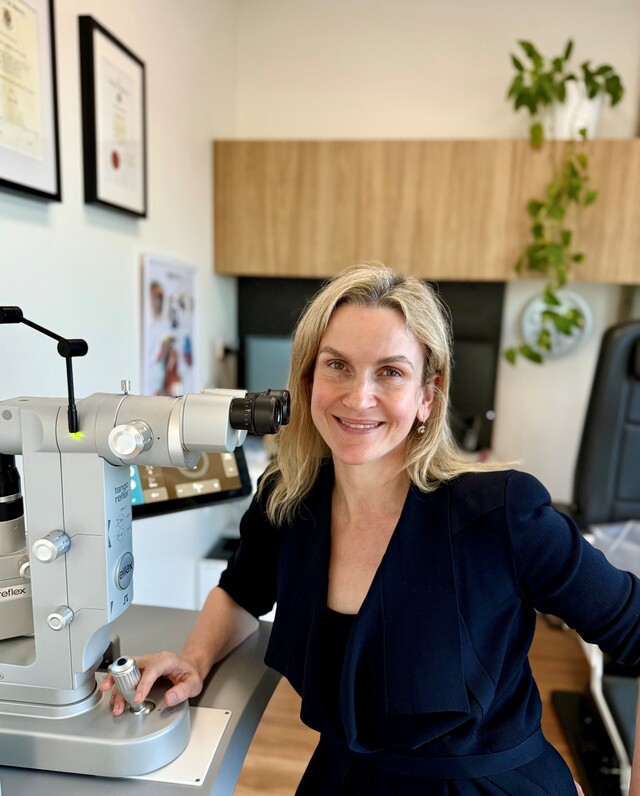
“There is no single best lens for everyone,” explains Dr Madeleine Adams, Ophthalmologist at Insight Eye Surgery, Noosa. “The right choice depends on a person’s eye health and lifestyle. Some patients want freedom from glasses for reading, while others prioritise clear distance vision for driving. The exciting thing is we can now personalise outcomes like never before.”
What’s changed in the last decade?
A decade ago, only a small proportion of patients were suitable for advanced IOLs, and early designs sometimes caused unwanted side effects such as glare or haloes around lights. Today, new technology means these lenses are suitable for far more people and deliver sharper, more natural vision—often across all distances.
For patients, this can be life changing. Many describe the world as brighter and colours more vivid. The everyday joy of reading a book, recognising a loved one’s face, or walking confidently outdoors without glasses is a powerful reward.
Where are these lenses available?
Currently, these advanced IOLs are generally only offered in private hospitals. Public hospitals provide safe, effective surgery but typically use standard IOLs that focus at one distance only, usually for far vision such as driving.
Preparing for surgery: the importance of eye health
Another development in cataract care is a greater focus on the health of the eye surface. Conditions such as dry eye can interfere with results if left untreated. Modern treatments, such as Intense Pulsed Light (IPL) therapy, can improve comfort and optimise vision before and after surgery.
What should you do if you suspect a cataract?
If you notice persistent cloudy vision, glare, or trouble reading, the first step is to visit your local optometrist or GP. They can confirm if a cataract is present and, if needed, refer you to an ophthalmologist for further care.
Cataract surgery today is more than a medical fix. It is an opportunity to regain independence, improve quality of life, and live with the freedom that clear sight brings.
Dr Madeleine Adams, Ophthalmologist, Insight Eye Surgery, 59 Mary Street, Noosaville, Phone 07 5345 5011, www.insighteyesurgery.com.au