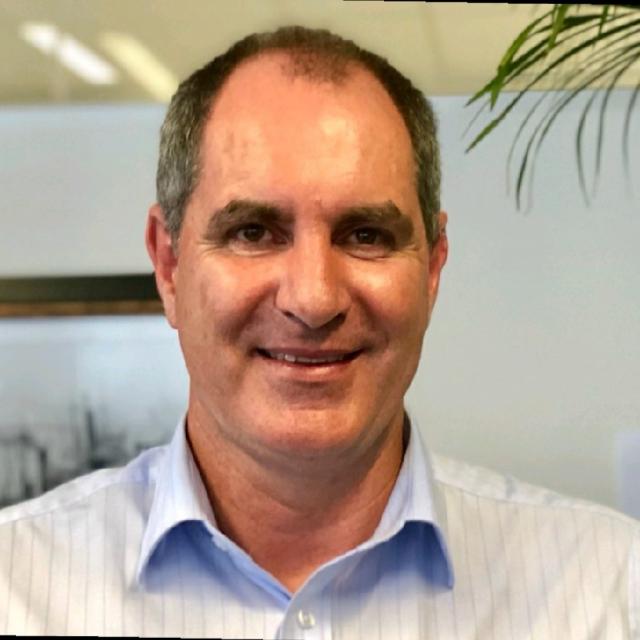
Former Melbourne Harbourmaster and now general manager of Maritime Safety Queensland Kell Dillon is a man who knows his way around a waterway, but he also knows that the wheels of government move slowly.
Which is why he’s not promising, but he’s hopeful that the roadmap for MSQ’s new Noosa River management plan will be in place before the end of 2023. Implementation of the broad-ranging reform agenda, based heavily on input from local community consultation, Noosa Council and its recently-disbanded Noosa River Stakeholders Advisory Committee, will take longer, but speaking to Noosa Today this week, Mr Dillon was optimistic that solving the more difficult problems, like illegal long-term anchoring, would be a matter of months rather than years.
***BOLD QUESTIONS**
At the meeting to disband NRSAC on 30 March, the last agenda item called for reflections on the committee’s two-year lifespan. Understanding that you have only been involved for part of that time, what’s your take away?
Dillon: NRSAC served a particular purpose and that was to provide a link between a number of interest groups, Noosa Council and MSQ to take advantage of the knowledge and experience of the locals. It was a good thing from our perspective, helping us work out the local impacts of any proposed management changes. A wide variety of interest groups was represented which was good because, while they all didn’t necessarily agree, the consensus was very strong that there are issues on the river. I think NRSAC helped both Noosa Council and MSQ work out how we could work in partnership for mutual benefit. So, in terms of looking for sustainable solutions to the challenges we see in the river, it’s been very beneficial.
Now that chapter has closed, how does MSQ move forward on this?
Dillon: Going forward, we have the feedback from NRSAC and the general community, which was really important, and now we’re anxious to implement the reforms, working in partnership with council and other government agencies. We can’t consult forever, but we’ll go back to organisations and individuals when we need to as we develop the plan, but we really need to drive it home now.
Do you have a timeline?
Dillon: Right now we’re deeply engaged in finalising the outcomes following the extended consultation over December and January, which was six weeks as opposed to the normal three to four weeks for community consultation, and that was because we were conscious that over the holiday period people are coming and going and businesses are very busy. But now we have had the input of over 1000 submissions, the majority of them online, but also a lot by emails and about 140 people who attended face-to-face sessions at the boat ramp. I was at pains with NRSAC and the council to explain that we wanted genuine consultation where everyone’s views are taken into account. Now we’re taking the marine zone changes to the government to work out the legislative mechanisms required, and that takes some time. I expect it will take the rest of this calendar year to run through such considerations as the impact on human rights, standard government consultation requirements and our recommendations for legislative change. We’ll be targeting October or November but it could be longer because it has to be done properly. If we could have the new model in place for the summer holidays everyone would be very happy, but we can’t guarantee that.
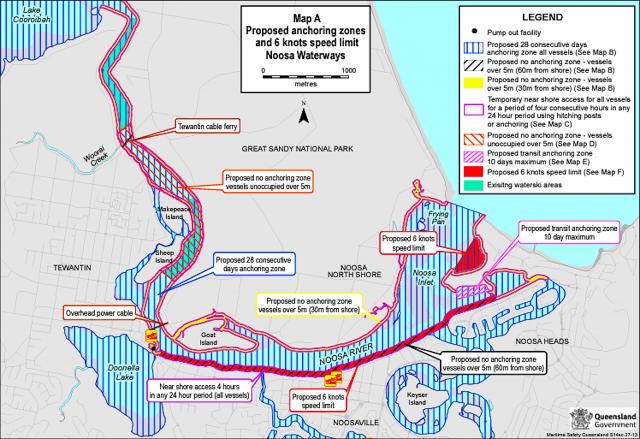
The most recent draft recommendations on anchoring zones, time limits and speed limit reductions met with cautious approval from many river users. Is that still basically the plan?
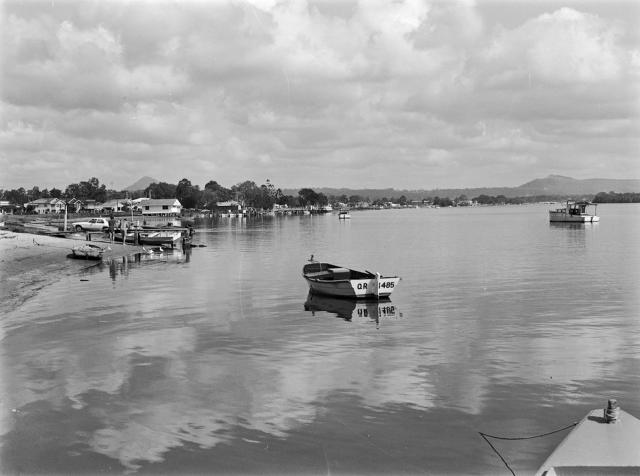
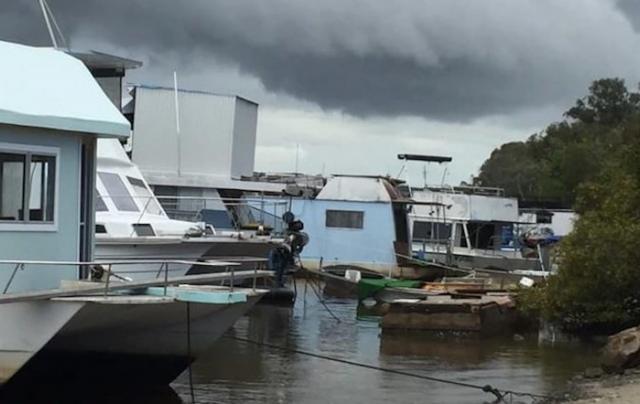
Dillon: The last draft wasn’t just another draft, it was a very advanced series of recommendations. The key areas are safety, equity of access to the waterways and environmental sensitivity. They’re the three big ones. We were all on the same sheet of music about that, and the community feedback in the main has also been along those lines. Reducing the speed limit is relatively easy in that it can be legislated and implemented straight away, but with equity issues there’ll be more of a challenge and it will take time. Speed zones are easier than pulling vessels out of the river. For us that will be stage two. But at stage one we want to be able to see what the whole model looks like and what the new rules will be. How we implement it will be an operational issue for us, the police and other agencies, including Noosa Council. But we’re conscious of the fact that in issues like moorings and anchoring, we have to be fair and reasonable because in some cases we’ll be dealing with vulnerable people. We will need to be empathetic and not try to move too quickly. For example, we know that right now there are about 200 vessels anchored on Noosa River or tied up on the shoreline, and many of these will be impacted by new restrictions. We have to take a reasonable view of how that will work, and we need to look at how we police it. That’s all stage two. To sum that up, stage one is what’s it going to look like. Stage two is implementation, and there may well be a time frame for that too, but I’m thinking months rather than years.
Is this potentially a model for other Queensland waterways?
Dillon: The short answer is yes. What we don’t want to happen is that we have a management plan for Noosa River and people just pull up anchor and go to the next waterway. We’ve had that feedback pretty clearly, but what you can’t forget is that each waterway has its own unique set of principles, its own culture. What we’d like to see is a series of plans for all the major rivers and waterways in Queensland in which there are consistent rules about what you can or cannot do with regard to the core principles of safety, equity of access and environmental sensitivity. But for each waterway there are also sets of circumstances that are quite different and need to be taken into account, whether it’s cyclone danger up north, larger shipping in some ports, or environmental sensitivity. We’d like to see an interface between the two, with local considerations overlaid on the core principles.
Final word?
Dillon: In summary, what we’re trying to achieve here is safe and equitable access to the Noosa River. That’s our main goal and we’ve been active in moving towards that, particularly over the past 18 months of gathering information for our new model, and over the Easter holidays we’ve been particularly active in doing patrols with Queensland Police, encouraging compliance and safety on the water.