PhD research into the plants and insects of the Sunshine Coast’s beach dunes is identifying more ways to restore and revegetate the iconic environment – without the weeds.
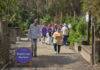
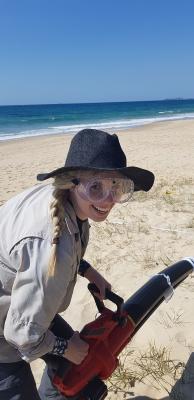
Brittany Elliott, who is midway through her doctorate at USC, has completed an extensive six-month survey of coastal dune plants from Peregian Beach to Kings Beach, including both natural and highly urbanised areas.
She presented her initial results at the Ecological Society of Australia’s annual conference and will now use advanced genetic techniques in the laboratory at Sippy Downs to analyse insect samples as bioindicators of dune condition.
“My results suggested that four key tree species – pandanus, banksia, coastal she-oak and beach bird’s eye – were key targets for plantings on Coast dunes,” she said.
“We also identified important locations where the highly invasive asparagus fern and glory lily are likely to thrive.
“Each of these species had unique preferred conditions and was affected in different ways by human activities such as urban development or community restoration programs.
“We used our models to create maps that reveal the optimal zones for which each species should or could occur.”
The USC Environmental Science and Science (Honours) graduate from Buderim applied the survey modelling to create maps of “optimal zones” for preferred tree species.
“These maps help show where plantings in the dunes will have the greatest likelihood of success and where weed species are likely to be and should be removed,” she said.
Brittany’s PhD supervisor, Senior Lecturer in Animal Ecology Dr Ben Gilby said the work had important implications for coastal dune restoration and the potential to assist local councils and environment groups better target sites and plants for rehabilitation.
Brittany said she was delighted to also receive the 2020 Friends of Maroochy Bushland Botanic Gardens Research Bursary of $2,500, which will help meet the costs of DNA barcoding and metabarcoding the insect samples.
“These genetic techniques aren’t commonly used for ecological restoration, so I’m excited to be applying them to insect samples for this innovative project,” she said.
“In 2021, we will be surveying national parks including Bribie Island, Minjerribah (Stradbroke Island) and Cooloola as comparisons to the sites we have already surveyed.”
A Friends of Maroochy Bushland Botanic Gardens spokesperson said the group was pleased to support such interesting research into Sunshine Coast dune biodiversity markers, “which should be of great importance to developing natural dune areas into the future”.
Brittany said she was enjoying studying towards her third degree at USC.
“I grew up on the Sunshine Coast and I chose to study locally because I wished to address real-life problems with the environment I love.
“Studying at USC has allowed me to study with and be mentored by leading researchers, who inspired me to continue with postgraduate research.”
Ecological Society of Australia president Bek Christensen said: “The ESA fosters excellence in science and sharing of ecological knowledge to support better environmental outcomes for Australia. Brittany’s work is typical of the outstanding research students in Australian ecology.”