
Noosa’s café and restaurant operators are feeling the squeeze as new national figures reveal more than one in 10 food service businesses have closed in the past year – double the overall business failure rate.
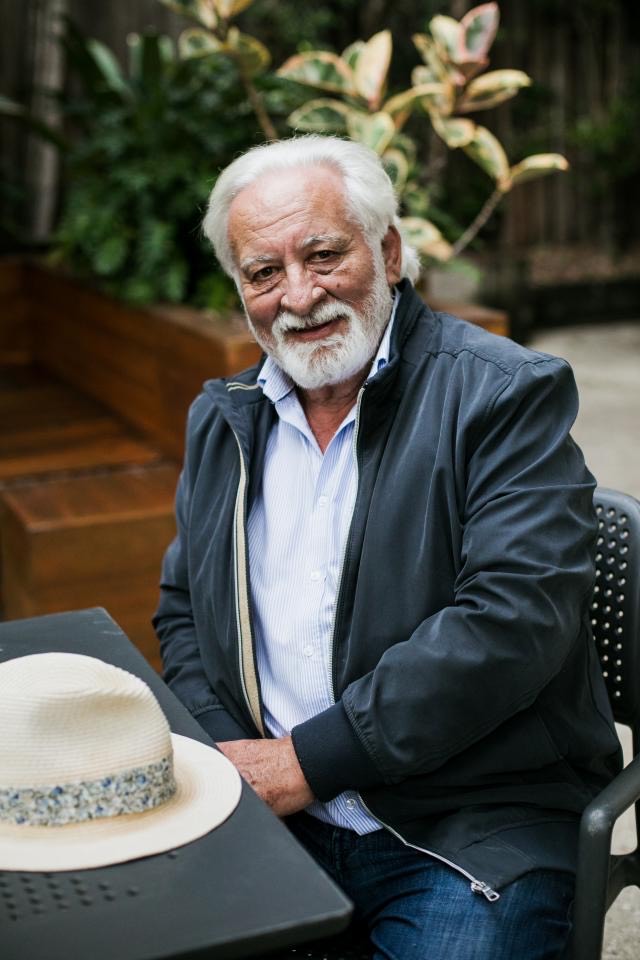
Noosa Chamber of Commerce president Ralph Rogers said the data reflected what many local operators were already experiencing.
“Our cafés and restaurants are the heartbeat of Noosa’s tourism and lifestyle economy, but many are operating on extremely tight margins,” Mr Rogers said.
New data highlighted by the Australian Restaurant & Cafe Association (ARCA) shows 10.4 per cent of cafés and restaurants shut their doors in the past 12 months. By comparison, pubs, clubs and bars recorded failure rates of about eight per cent.
ARCA chief executive Wes Lambert said the sector was facing structural – not temporary – pressures.
“This is not cyclical. This is policy-driven pressure layered on top of weak consumer confidence,” Mr Lambert said.
“Cafés and restaurants operate on razor-thin margins. When you combine rising wages, inflexible industrial settings, higher rents, escalating food costs and a tax system that punishes growth, something has to give. Right now, it’s businesses.”
Mr Rogers said the figures were particularly concerning for communities like Noosa, where hospitality is a major employer and a key drawcard for visitors.
“If we see a continued wave of closures, it won’t just affect business owners, it will impact jobs, suppliers and the overall visitor experience,” he said.
ARCA points to escalating labour costs, tax settings, food price inflation – up 7.5 per cent over the past year – flat consumer spending and tighter access to finance as key drivers behind the higher failure rate.
Business analytics firm CreditorWatch reports 12.4 per cent of food service invoices are overdue by more than 60 days, double the national average, underscoring sustained financial stress.
With hospitality employing more than 980,000 Australians — many of them young people — industry leaders are calling for urgent industrial relations and tax reform to stem further insolvencies through 2026 and beyond.
Mr Rogers said: “The only sector that’s expanded dramatically is the government sector including local government.”
“The Noosa economy is fragile by it’s nature and taken for granted .”
“Higher taxes from local, state and federal government are sucking cash flow out of businesses.”
“Higher costs means many businesses are taking more dollars than three years ago but are making less – some now in losses.”
“Rates have gone up approximately 11 per cent annually for the last few years on commercial property.”
“Electricity cost increases are massive for everyone but for businesses that have significant usage like fridges and freezers it’s now one of their single biggest costs.”