The Federal Government’s social media ban for under-16s came into effect on Wednesday, 10 December, but a CQUniversity socio-tech expert has warned that poorly designed age verification could backfire.
The law applies to 10 platforms, including Facebook, Instagram, TikTok, Snapchat and X, and is aimed at protecting children from online harms.
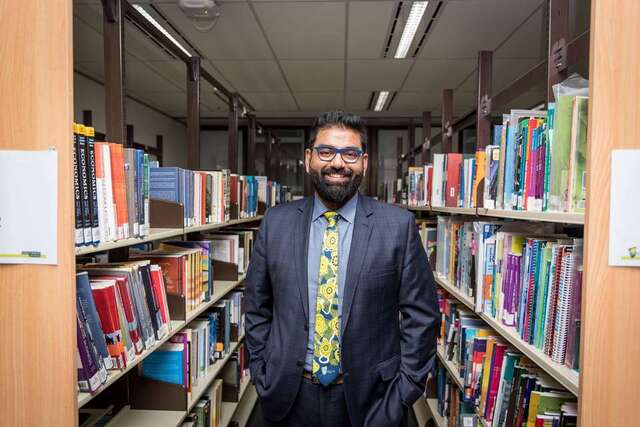
Associate Professor Ritesh Chugh said while the ban was a “bold and necessary move”, young people would naturally look for ways around it.
While it is up to platforms to decide what age verification methods to use, many captured under the eSafety Commissioner’s list of banned platforms will use facial scanning as a first step to age assurance.
Some platforms, such as TikTok, say they will use facial-age estimation service Yoti, however a government trial found Yoti falsely classified 34 to 57 per cent of 13 to 15-year-olds as over 16.
Assoc Prof Chugh warned the social media ban’s success would hinge on fair enforcement, smarter risk reduction and giving young people the skills to protect themselves online.
“This is an important national conversation about how we balance the benefits of social connection with the need to protect younger Australians from online risks,” he said.
“The responsibility won’t fall solely on parents and schools – platforms will now have a clear duty of care.
“But the challenge will be in the detail: how to enforce it fairly, avoid unnecessary intrusion and keep safe digital spaces open for young people.”
Several smaller apps are growing in popularity as children migrate to those not included in the ban.
They include Lemon8, which has agreed to restrict use of its app to those 16 and older as of Wednesday.
Assoc Prof Chugh said international experience offers a cautionary tale, with UK laws pushing more teens to use VPNs, bypassing checks and creating “data blind spots” that make harmful activity harder to detect.
He also pointed to the role of algorithms in pushing extreme or harmful content into mainstream feeds.
“If we don’t change the incentives that drive platforms to push addictive, inappropriate content, parental controls will always be playing catch-up,” he said.
His solution is a multi-layered approach – parents staying engaged, schools teaching digital literacy, platforms making safety the default, and governments setting and enforcing strong standards.
“We often talk about making the internet safer for kids, but we also need to make kids safer for the internet,” he said.
Prime Minister Anthony Albanese says the ban is a “success already” because it has sparked conversations about social media between parents and children.
“This is a change that hasn’t come from government,” he told ABC’s Insiders on Sunday, 7 December.
“This is a change that has come from parents taking what is a personal tragedy and channelling that into wanting no other parents to go through the heartbreak they have experienced.”
Although the prime minister said the ban’s rollout “won’t be perfect”, he compared it to liquor laws that prohibit anyone younger than 18 from buying alcohol.
The Coalition has ramped up its criticism of the ban, with Nationals leader David Littleproud unconvinced tech giants will comply.
“You’ve got to understand that these tech giants make a large portion of their advertising revenue from the fact that they have teenagers on their platforms,” he told Sky News.
Platforms face up to $49.5 million in fines if they do not take “reasonable steps” to prevent under-16s from holding an account.