A fun day at the river nearly turned tragic for a dog after he ingested a dangerous amount of sand while playing along the Noosa River.
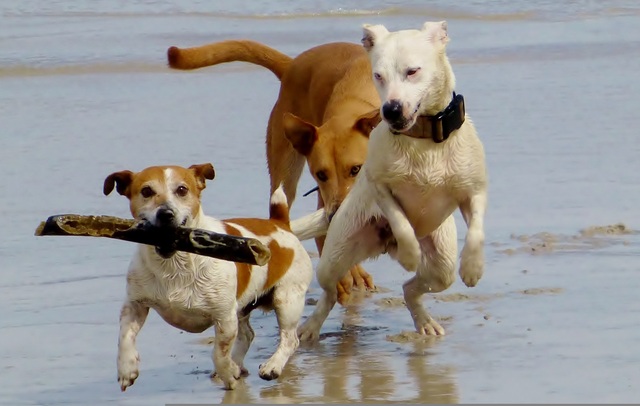
It’s a familiar sight for locals and visitors alike – dogs racing along the shoreline when the tide is out in the shallow “frying pan” areas of the river, digging enthusiastically and chasing anything that moves.
Earlier this month, one dog took that fun a step too far.
“Harry was up enjoying Noosa over the Christmas holidays and got a bit overexcited chasing a crab,” said Dr Holly Goldring from Noosa District Animal Hospital.
“In the process, he ingested a lot of sand.”
The consequences quickly became serious. The following day, Harry became extremely unwell and was unable to stop vomiting, prompting his worried owners to rush him to the vet.
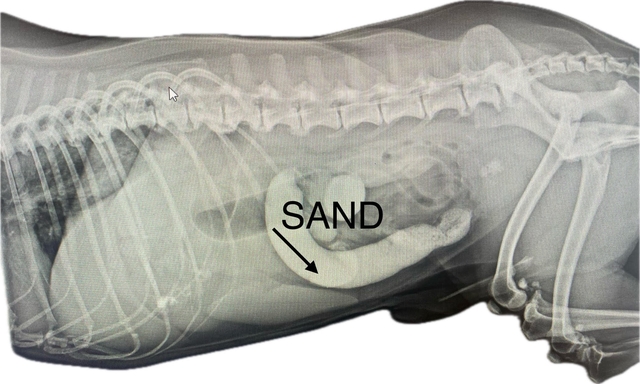
“Harry was admitted for diagnostics and the cause was very clear,” Dr Goldring said.
“He had eaten so much sand that it caused an intestinal impaction. He needed to be hospitalised for two days on intravenous fluids and medications to stop the vomiting and get his intestines moving again.”
Thankfully, early intervention prevented the need for surgery.
“Luckily his owners brought him in as soon as the symptoms started,” Dr Goldring said.
While sand impaction is a well-known condition in horses, Dr Goldring said it was rare in dogs.
“In 30 years, I’ve never seen it happen in a dog before,” she said.
“It’s a timely reminder for owners to distract dogs if they see them digging and eating sand.”
Dr Goldring also warned beachgoers to keep a close eye on what their dogs show interest in.
“There are toxic fish, such as puffer fish, and even rotten fish can cause severe illness,” she said.
“If your dog has something in their mouth, walk over, take it out and have a look and take a photo if you’re unsure.”
“Most dogs love the beach, but awareness can prevent a very serious outcome.”
Established in July 2008, Noosa District Animal Hospital is the only purpose-built veterinary hospital servicing the Noosa area.
They are located at 43 Rene Street, Noosaville. Contact 54730004 or email info@noosaanimalhospital.com.au