Health authorities have issued a public alert after a confirmed measles case visited multiple locations on the Sunshine Coast, including wards at Sunshine Coast University Hospital, while unknowingly infectious.
Queensland Health said the person was infectious between 10 February and 16 February, with potential exposure sites also identified at Brisbane International Airport and on international flights arriving into Queensland.
On the Sunshine Coast, exposure sites include the Paediatric Critical Care Unit, Child and Adolescent Ward and Emergency Department at Sunshine Coast University Hospital between 11 February and 16 February at various times. Anyone who attended those areas during the listed dates and times is being urged to monitor for symptoms.
The case also travelled on Singapore Airlines flights SQ447 (Dhaka to Singapore) and SQ265 (Singapore to Brisbane) on 10 and 11 February, before arriving at Brisbane International Airport on the evening of 11 February.
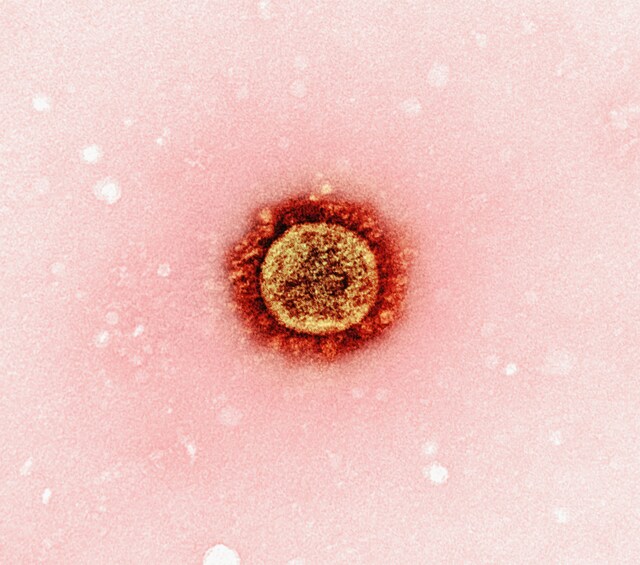
Queensland Health warned measles is a highly infectious virus spread by coughing, sneezing or direct contact with respiratory secretions. Symptoms typically develop seven to 10 days after exposure but can take up to three weeks.
Early signs include fever, tiredness, runny nose, cough and sore, red eyes. A blotchy red rash usually follows several days later, beginning on the face before spreading across the body.
Anyone who visited the exposure sites at Sunshine Coast University Hospital or Brisbane International Airport during the specified times should remain alert for symptoms for up to 21 days from the date of exposure.
People experiencing symptoms are advised to call their GP or phone 13HEALTH (13 43 25 84) before attending a clinic, so precautions can be put in place to prevent further spread. Those who suspect they may have measles are urged to avoid public spaces.
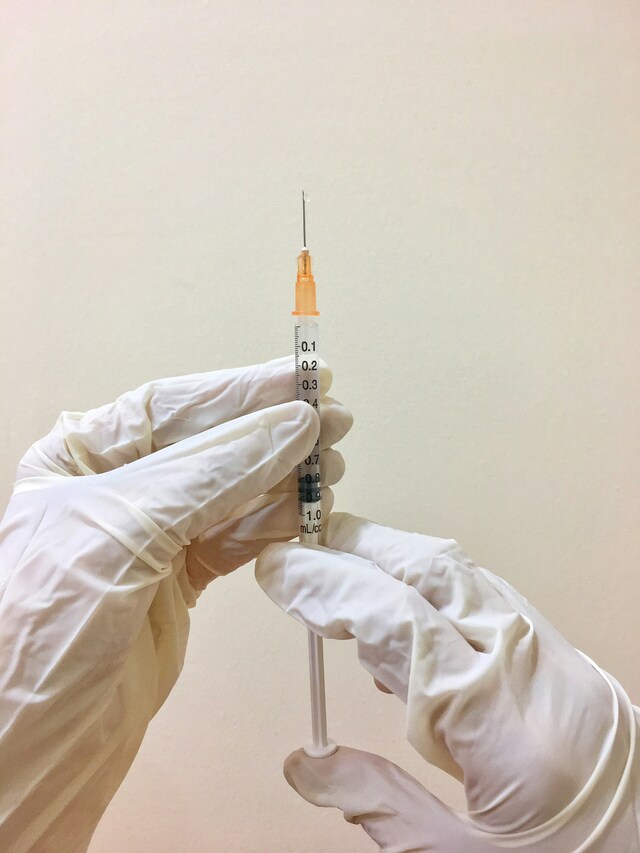
Health officials stressed vaccination remains the best protection. The measles-mumps-rubella (MMR) vaccine is free under the National Immunisation Program and is available through GPs and participating pharmacies.
People born during or after 1966 who do not have evidence of two doses of a measles-containing vaccine, or who have never had measles, are considered at higher risk.
Exposure locations will be removed from Queensland Health alerts after 21 days or when no longer applicable.