For many people, a rural getaway is the ultimate way to switch off, swapping city noise for fresh air and slower days.
From outback road trips to country hikes, more people are choosing remote destinations to reconnect with nature.
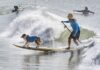
In regional and remote Queensland, long distances, limited infrastructure and unreliable telecommunications networks mean that even with rapid aeromedical response, help can take time to arrive.
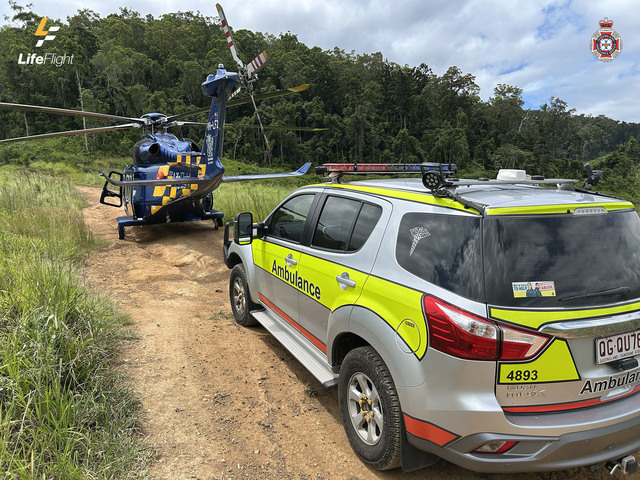
According to LifeFlight Critical Care Doctor Sarah Ayles, time is the single biggest challenge when responding to emergencies outside major centres.
“The most common challenge we face when responding to medical emergencies in rural and remote communities is time,” Dr Ayles said.
“From that initial 000 call, even with the speed of a helicopter, it can still take us time to reach people.
“Also, it is difficult getting information from the scene due to the time it takes other emergency services (such as ambulances) to arrive, as well as the telecommunication challenges.”
Those delays can significantly affect patient outcomes, particularly when injuries or medical conditions could have been stabilised earlier.
That’s where preparation becomes critical, Dr Ayles said.
“Having basic first aid can be lifesaving anywhere but particularly in more remote locations,” she said.
“Being able to stop the bleeding, reduce the impact of a burn or place someone in a rescue position to protect their airway buys crucial time while awaiting emergency services.”
She said even the most advanced medical equipment could not replace early, basic care.
“For all our fancy equipment, most of our job in critical care is also about getting the basic supportive care management of our patients right.
“If people have the supplies and knowledge to support the patient until we arrive, we will have a better chance of saving their life/limb.”
Safety tips for travelling in rural and remote areas
*Taking simple precautions before heading off the beaten track can make a world of difference:
T*ell someone your travel plans and expected return time
*Carry a communication or location device, ideally a personal locator beacon, as mobile coverage can be unreliable
*Pack plenty of water, food and emergency supplies
*Bring a well-stocked first aid kit and make sure someone in your group knows basic first aid
*Check weather conditions and road closures before departing
*Take regular breaks on long drives and avoid travelling at dusk or night when wildlife is more active
*Hikers should keep track of the route and surroundings to help guide emergency services if needed
*Ensure your vehicle is roadworthy and carry recovery gear when travelling on unsealed roads
For those travelling through remote parts of Queensland, Dr. Ayles stressed the importance of being self-sufficient.
“When travelling in remote parts of Queensland, it is important to carry a communication/location device (preferably a personal locator beacon, as mobile phone reception can be unreliable),” she said.
“If going hiking, it is useful to have an idea of your surroundings and progress on the route to help direct emergency services if something happens.”
She said hydration and preparedness were crucial: “It is also important to travel with plenty of water, and a first aid kit never goes astray.”
A constant issue for those in rural areas
Beyond holidaymakers, limited access to healthcare continues to affect people living in remote communities year-round.
“Lack of access to primary care (GP expertise) can result in many preventable health emergencies, such as heart attacks, untreated infection or complications of chronic health conditions,” Dr Ayles said.
“The unique difficulty comes because of distance.
“When faced with these emergencies, the treatment required is often hundreds or thousands of kilometres away and takes people and their families away from home.”
LifeFlight’s aeromedical crews respond to thousands of missions each year across Queensland, delivering critical care to people when and where they need it most.
Community support, including initiatives such as LifeFlight Lotteries, helps ensure aeromedical teams are ready to launch at a moment’s notice.