
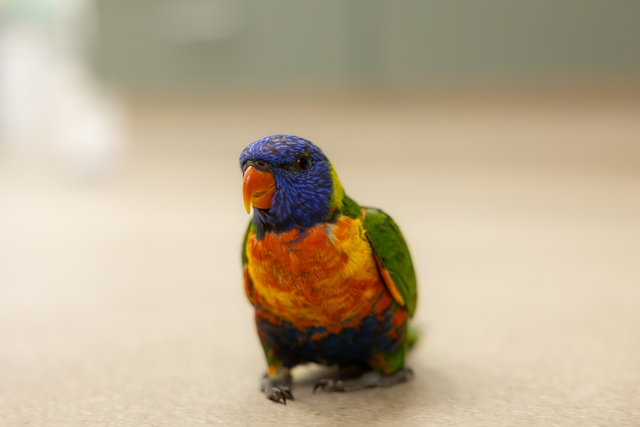
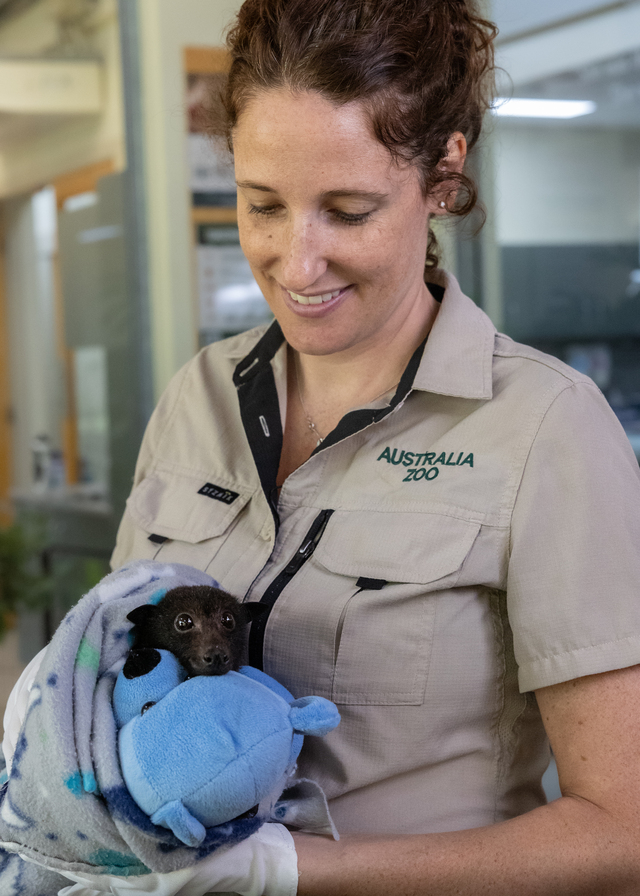
A vital research program in underway to find a cure for a deadly paralysis syndrome affecting flying foxes and rainbow lorikeets.
The Australia Zoo Wildlife Hospital is treating an influx of animals suffering from this life-threatening syndrome, presenting with severe paralysis with an inability to cling to branches or feed.
They are often found on the ground, in desperate need of help.
Given the severity of this disease, recovery can take weeks of intensive treatment, including intravenous fluids, blood checks, and assisted feeding.
Dr Ludo Valenza, manager and veterinarian at Australia Zoo Wildlife Hospital, is a leading researcher working to find a cure for this syndrome, in collaboration with Wildlife Health Australia, major universities, researchers, and government partners.
As part of this effort, a new medication is being tested to treat patients in care.
“At the same time each year in the last few years, we’ve been admitting flying foxes and rainbow lorikeets presenting with this bizarre syndrome. It is heartbreaking to see these animals unable to move and feed themselves,” Dr Ludo said.
“They present paralysed; unable to fly, completely helpless, and sadly many succumb to this disease. Through our research, we are testing a new medication and seeing a positive result, but we have a long way to go. We are at the forefront of dealing with this syndrome and working tirelessly to help these beautiful animals,” she said.
Happy, one of the affected patients, is a black flying fox who was first rescued from fruit tree netting in New South Wales in 2014. After his rescue, he was placed under the care of a specialised wildlife carer before being released back into the wild.
Ten years later, over 1100 kilometers away, Happy was found in Queensland suffering from the paralysis syndrome and admitted to the Wildlife Hospital. After receiving specialised treatment, he is now back with a specialised wildlife carer, and nearly ready to return to his natural habitat.
Happy’s incredible journey demonstrates the resilience of these animals, who travel long distances, pollinating forests and supporting our ecosystems.
“Flying foxes are a keystone species. The health of our forests and the survival of other native wildlife like the koala, is directly dependent on these gorgeous flying foxes,” Dr Ludo said.
“Flying foxes are not only cute with mischievous personalities, but they are intelligent animals and vital for the pollination for Australian forests,” she said.
Devastatingly, the paralysis syndrome, combined with existing threats such as habitat destruction, barbed wire entanglements, and vehicle collisions, are significantly impacting populations of flying foxes and rainbow lorikeets in south east Queensland and New South Wales.
To find out more about the Wildlife Hospital and how you can help, visit wildlifewarriors.org.au.