
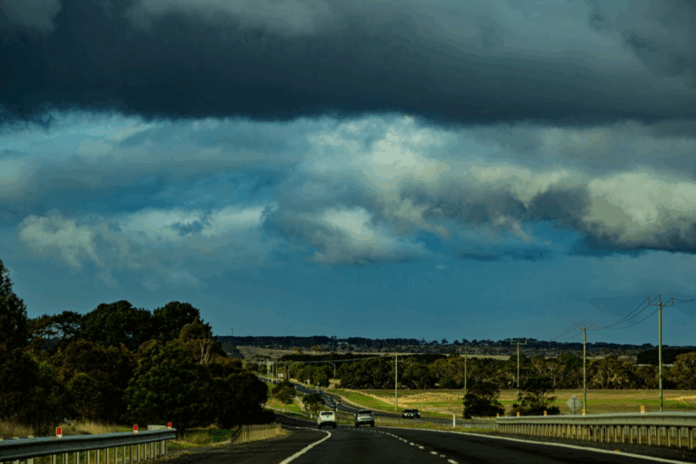
When the wet season ends in Noosa, the locals let out a collective sigh. Humidity levels finally begin to drop, skies begin to clear, and things just feel a little less, well, wet. The sunshine has been especially welcome after this summer that was definitely wetter than usual, but so is the chance to address what all that rain and moisture has done to our property here in the tropical north. Relentless downpours and salt-laden air take a toll; taking a proactive approach in response is critical.
Of course, what this means for each Noosa local depends on their needs. It could mean a trip south after being recommended boat inspections on the Gold Coast. If you’re keen to get stuck into some post-wet season maintenance but don’t know where to start, you’ve landed in the right place. Let’s explore a few maintenance essentials for Noosa residents.
1. Get your mind on the gutter
Jokes aside, your roof and the gutters attached to it are your home’s first line of defence when the wet season arrives. By season’s end, they’ve taken a proper beating. They’ve also collected months of leaves, branches, and debris. And like a clogged toilet, the water ends up where it’s not wanted.
Loose tiles, rusted spots, leaks, minor and major; it’s time to adopt a forensic approach and cover every detail. Nothing is too small, either; that minuscule roof issue can become a huge issue if left alone.
Don’t stop there. Gutters form part of a larger drainage network, so check all drainage around the property. Simple rule: water needs to flow away from your home, not pool around it.
2. Mould, moisture, and ventilation
With the wet season comes high humidity: the perfect environment for mould and mildew. And once the rain stops, moisture lingers. Suddenly, bathrooms, laundries, and anywhere low in ventilation become havens for musty smells, discoloured walls, and condensation.
Perspective is key here. Never mind cosmetics, mould is a serious health risk. The good thing is, a vigilant eye will spot the issues. Think musty smells, discoloured walls, and condensation build up.
Aside from cleaning, improving ventilation is what’s needed. Always open the windows when the weather permits, use exhaust fans when cooking, and even consider dehumidifiers. And ask the experts if you’re not sure, as professional treatment is often necessary if the mould has taken hold.
3. Check external structures
The wet season isn’t just tough on your roof; it’s tough on everything outside. Decks, fences, and retaining walls all cop what the roof cops, so be sure to give them attention as well. Remember, water is a subtle agent of destruction; not every issue will be obvious at first.
Start by checking timber structures. Look for root or movement, like leaning or loose fence posts. Stability is the essential criterion here. Same goes for pavers and paths, as movement beneath the surface can result in trip hazards.
While you’re at it, throw some attention toward any landscaping. Some plants thrive during the wet season; they mightn’t agree, but the dry season is their time for a trim. Garden areas also store water, and store it well, so drain everything as best you can to avoid issues like erosion.
4. Book your vehicle health checks
It’s easy to focus on the house after the wet season, which is fair given it has to remain stoic through every storm. But your vehicles will have endured its fair share of unfavourable days, so include it in your maintenance routine. And being Noosa, it’s not just rain, it’s corroding salty air.
It’s your turn to play mechanic. Check tyres, as these can show uneven wear after continual wet-road driving. Check brakes, as moisture and debris affect performance over time. Make sure you check the undercarriage, as that’s where the rust will hide.
Also, check the electrical components. Water and electronics don’t mix; if anything flickers when it’s not supposed to, get it looked at by a professional.
And of course, if you have any recreational marine vessels, you’ll definitely want to book in your annual boat inspections following the wet season to ensure that your vessel hasn’t accrued any damage while being taken out over the summer. If you’re planning to store your boat in a dry boatshed during the winter months, this is especially crucial, as failure to get your boat inspected before it’s stored away may result in further corrosion while in storage.
5. Lastly, service your air conditioner
A typical wet season will have your air conditioner working overtime, managing heat and humidity. Which means, by season’s end, the filters will likely be clogged and the internal components damp. Again, the signs might not be obvious.
Keeping your air conditioning system clean helps keep your lungs healthy and your home free of musty smells. As with anything electrical, get a licensed professional to repair any major issues.
Get your home and property back to fighting shape post-wet season
Our last tip? Treat the wet season’s end less like a change in weather and more like an opportunity to properly prep for winter. Taking the time to check for signs of damage or decay and make the necessary repairs ultimately saves time and money down the track, and usually a lot of both. Unexpected damage and the need for maintenance will always exist; it’s the proactive steps that keep these things to a minimum every year, both during and between the seasonal extremes here in Noosa.
Also, a thorough and thoughtful maintenance routine just makes your day-to-day life more enjoyable. And when the dry season settles in, you can kick back knowing your belongings are ready for everything ahead.