
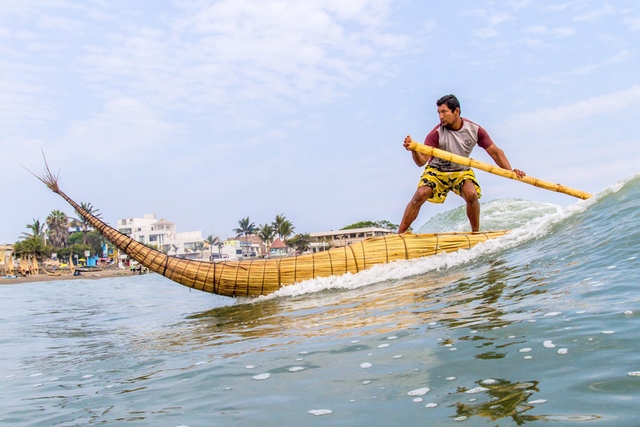
Last week in this space we talked briefly about the Caballito de Totora and Peru’s claim to have invented surfing around 3000 BC, a claim which inevitably leads to the argument that yeah, OK, they win hands down by a couple of millennia from the ancient Polynesians and others, but do the “little reed horses” they rode really qualify as surfboards, or were they more like canoes?
What is even more interesting (if you’re a surf history nerd) is to take a closer look at the other contenders for who surfed first, namely China, Japan and India.
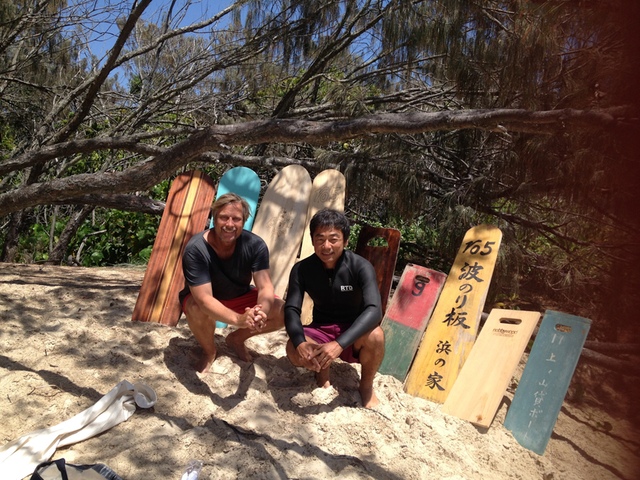
Few people know more about this than Dr Tom Wegener, who has a PhD in surf culture, and opened his recent keynote address at the World Surfing Conservation Conference with a description of surfing in China in the 13th century. So let’s get back to our recent non-beer lunch at the Rissole, where the conversation was getting very interesting, and while the councillor stuck to water, your columnist, somewhat appropriately, had succumbed and ordered a Japanese lager. We’ll get to the land of the rising sun in a minute, but first to China, where a form of surfing was first noted as early as the later years of the Song Dynasty (960-1279).
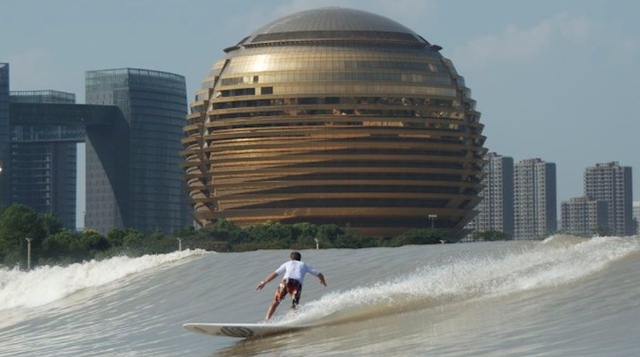
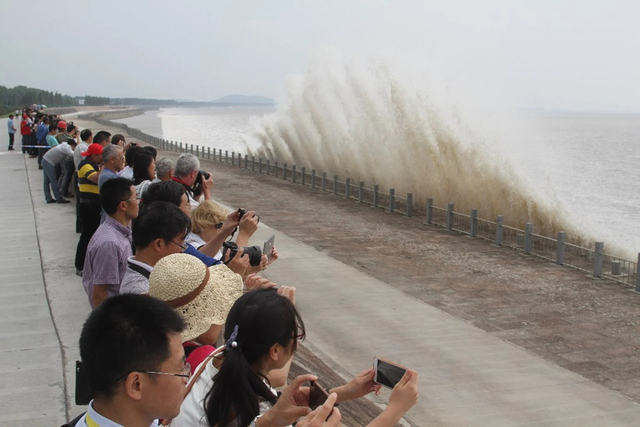
Okay, the Polynesians probably had a 1000-year start on them, but the Chinese were the first to document surfing as a sport, rather than a means of getting to work fishing offshore reefs. The vehicle was the Qiantang River’s ‘Silver Dragon’, a tidal bore which peaks in the city of Haining, near Hangzhou, with huge waves running along its banks during the autumn full moon festival.
Says Tom Wegener: “I realised when I started my WSCC talk with the one about the Chinese Emperor watching from his five-storey pagoda as local rippers shredded these huge waves that roll right through town, that not many people know this surfing foundation story.”
Thanks to Tom and Italian surfer, Mandarin interpreter and author Nik Zanella, I know a lot more about China’s origin story than I did.
Through his research of ancient texts and poetry for his book, Children of the Tide, Zanella discovered that the original bore surfers on the Qiantang were skilled watermen from the Wu region who would surf the massive tidal waves for both religious purposes and the entertainment of the Emperor, performing tricks and ‘dancing’ on the waves, leaving spectators in awe.
Wave-riding there was gradually banned due to its perceived recklessness, and the fortification of the riverbanks made the activity even more dangerous, but local fishermen continued to secretly practice the increasingly obscure sport, riding pieces of wood, tiny canoes or bodysurfing. Zanella was able to trace all of this by deciphering ancient Chinese literature and art, which included depictions of surfing Buddhas and poems about the ‘children of the tide’. He concluded that while the Polynesians and Peruvians had clearly surfed earlier, the Chinese were the first to document it in writing.
The tradition of the Qiantang River’s Silver Dragon surf festival continues today in modern China, where Australia’s Peter Townend, the first world pro surfing champion in 1976, became a key figure in the early years of this century, training the Chinese surf team for the event and advising on its tourism potential. But the real surfing capital is Hainan Island, where Noosa’s Perter White was one of the pioneers of surfboard production.
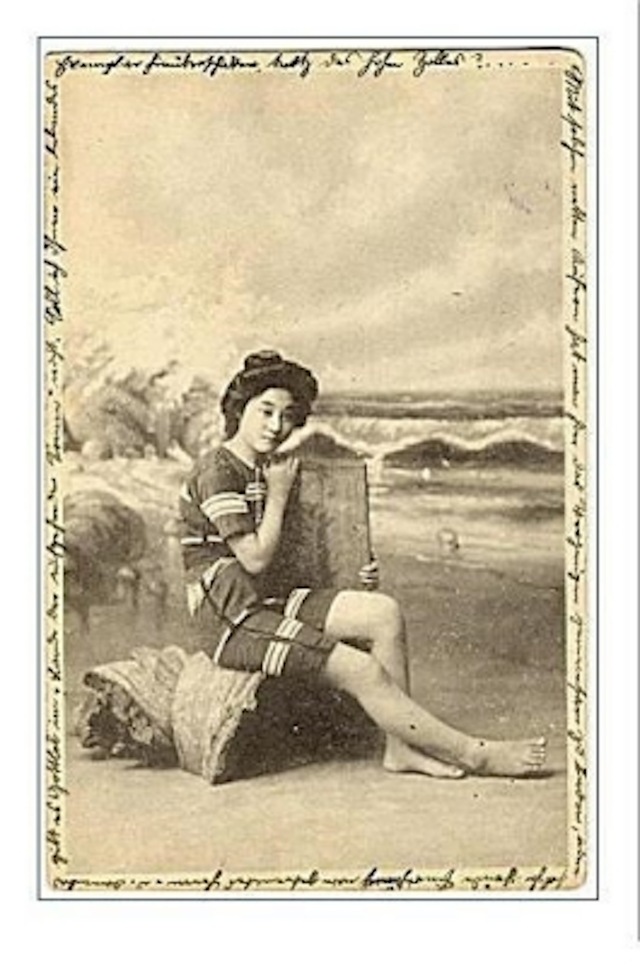
The oldest documented use of Itako (or Itago in some parts of the country) bellyboards in Japan is from the year 1821, but the type of fishing boats which used the ‘Itago’ floorboards that became surfboards date as far back as the 17th century, so it is possible that Itako wave-riding started around the same time. The sport hit its straps in the 1880s, when Japanese beaches were opened for medicinal bathing and recreational purposes.
It was a slow build from there, and the modern surfing era didn’t really begin in Japan until the 1970s, but it has flourished since, particularly after the successful introduction of surfing at the Tokyo Olympics in 2021 (delayed a year for Covid).
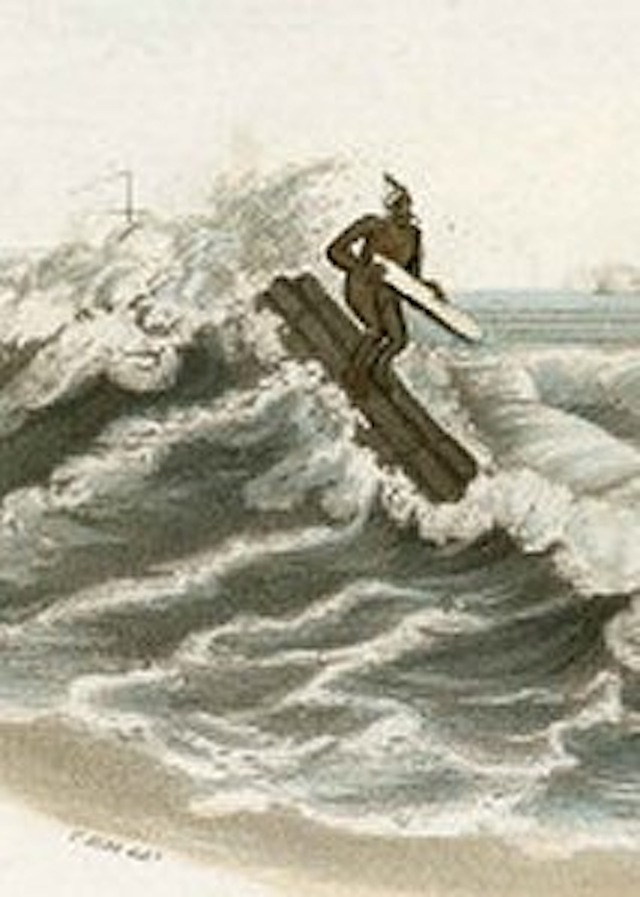
Last, but by no means least, stand-up wave-riding was first documented on the Indian subcontinent in 1800, when Charles Gold, a British Royal Artillery officer stationed at Madras (now Chennai) sketched a group of fishermen riding waves in the Bay of Bengal on a three-log catamaran. In fact the term catamaran is derived from the Tamil kattu-maram (tied logs). While Gold’s sketch has dated Indian surfing from 1800, seafarer journals from the 1870s mention ‘plucky’ fishermen dancing along the waves on tiny log rafts, so its history could go back even further.
Surf culture in India also took a long time to develop, but there are good waves, and local surfers are starting to become competitive on the world stage.
Milestones
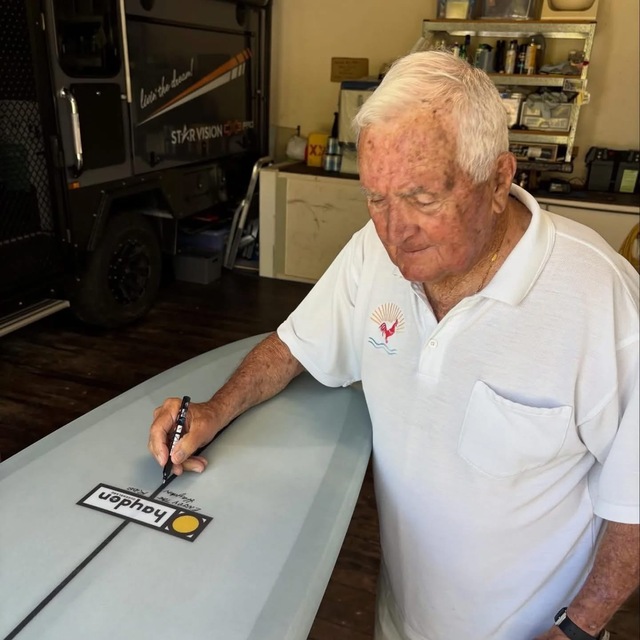
A slightly belated happy 90th to a true surfing legend of the Sunshine Coast and way beyond. Hayden Kenny, who was the first to surf the Noosa points and document it back in the late 1950s, then Australia’s first ironman champion and a leading surfboard manufacturer in the ‘60s, and for many decades after that, is above all else a true gentleman. Love ya work, old mate! Remember, age is just a number.