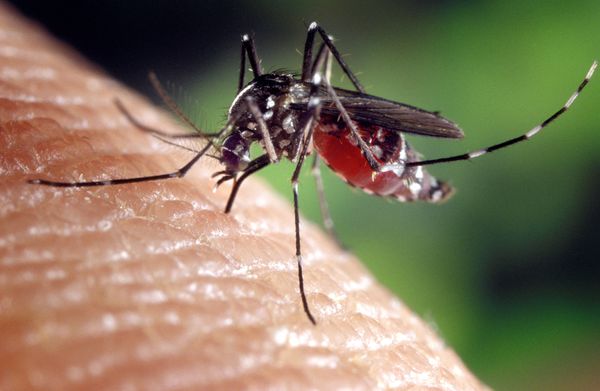
NOOSA Council is urging residents to fight back against mosquitoes in their backyard, after the recent rainfall has led to increased breeding.
Noosa Council Waste and Environmental Health Manager Wayne Schafer said the wet weather and warm temperatures made for ideal breeding conditions.
While council will start aerial treatments in early November to treat known local mosquito breeding sites, such as tidal areas and swamps, residents could help put the brakes on mosquitoes by removing fresh and stagnant water from their yards.
“Some mosquitoes breed efficiently after rainfall, especially the common banded mosquito (Culex annulirostris), the most common in south east Queensland,” Mr Schafer said.
“This mosquito breeds in shallow freshwater pools as well as in grassy drains and depressions in rural areas or suburbs with open space, which includes most of Noosa Shire. These mosquitoes are known to carry diseases which can be transmitted to humans and pets.”
Mosquitoes will breed in almost any site or container holding water in most locations including in backyards.
Places they breed include: unused tyres, bromeliad plants, water features, gutters, ponds, birdbaths, neglected swimming pools, unscreened rainwater tanks, buckets and containers, blocked roof gutters, boats, pot plant bases and drains.
Mr Schafer urged all residents to regularly flush out ponds and bird baths and remove areas where stagnant water could collect to eliminate breeding sites. He also urged the use of repellents, light clothing to cover arms and legs, and keeping screen doors and windows closed.
For more information about mosquitoes, visit: www.qld.gov.au/health/conditions/all/prevention/mosquito-borne
Putting the bite on mozzies
Digital Edition
Subscribe
Get an all ACCESS PASS to the News and your Digital Edition with an online subscription
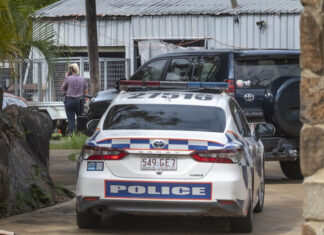
Shots fired, man detained
Police took a man into custody following unconfirmed reports of shots fired in Cooroibah on Thursday 16 January.
Police were called to McKinnon Drive just...