By JONATHON HOWARD
FORMER Department of Fisheries employee John Gault has bowed into debate around proposals to ban commercial net fishing on the Noosa North Shore and says it would be “foolish” to view the issue of depleting fish stocks, or the deterioration of Noosa River, in isolation.
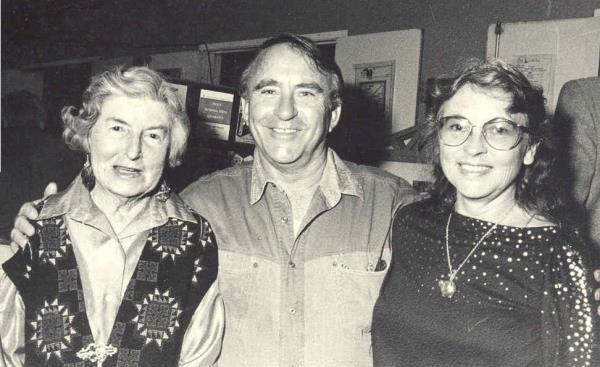
Mr Gault was instrumental in tracking, monitoring and blazing Noosa’s first fish and waterway studies in the 1960s and has continued to monitor the region’s changing marine ecology.
He worked for more than 14 years on various government contracts to monitor marine life across the Sunshine Coast and played an instrumental part in Nancy Cato’s book, The Noosa Story: A Study in Unplanned Development (1979).
Mr Gault said pollution has been an ongoing issue in the area for decades due in part to the number of sources feeding toxins into the river and estuary systems.
He now fears without greater investigation and a “legitimate” environmental study, Noosa is headed down the path of an “environmental catastrophe”.
He is calling on Noosa residents to band together and demand action to reveal the real issues plaguing marine life and threatening the future of Noosa’s marine habitats.
“I believe in order to understand the full extent of this issue we need a comprehensive study into the Noosa North Shore, Noosa River and Weyba Lakes systems and all lakes and tributaries that run into these systems including their interaction as an entire ecosystem – not viewing these habitats in isolation,” he said.
“Rampant development that involved the removal of curial wetlands, which were nursery areas for small fish, has impacted marine fish including examples such as Noosa Waters.
“This study needs to include the local and pioneering fishing families’ knowledge, which is invaluable, and has been under underutilised.”
Mr Gault said the Noosa Council’s recommendation to the State Government to ban commercial net fishing on Noosa North Shore was “short sighted” and failed to acknowledge the complex nature of marine life and its life cycle from guppy in the river systems, to schools of fish in the sea.
“Consider for a moment three factors including temperature, salinity and food for marine life,” he said.
“All these factors are influenced by the health of the river and lakes systems, as well as the coastal areas and we’re seeing dramatic change and influence from pollution.”
He said the comprehensive study needed to be done by marine ecologists and Sunshine Coast University – because they did not have political ties.
Mr Gault said fishermen were not the problem and were once considered the custodians of Noosa’s marine ecology, but had since become an easy target as the issues continued to compound.
“For a long time fisherman were the only ones who monitored fish stocks, knew when to fish and when to allow for fish to re-spawn,” he said.
“Fishing is not the problem; instead it’s the combination of all influences.”
Mr Gault said the ecology of Noosa’s marine life is being impacted by the combination of visitor numbers, vehicles, human pollution (through sewage, plastic and dumping), over fishing, hazardous chemical run off and development.
He believes the first step needs to be the installation of silt arrestors at every street drain to prevent an excessive amount of rubber and oil from making its way into the lakes and waterway systems.
“Black silt and pollution from the roads are a huge issue and the amount of acid sulphates entering the water is dangerously high,” he said.
The results of thousands of years of acid sulphate soils are naturally occurring soils, sediments or organic substrates, that are formed under waterlogged conditions.
These soils contain iron sulfide minerals (predominantly as the mineral pyrite) or their oxidation products.
In an undisturbed state below the water table, acid sulphate soils are benign. However, if the soils are drained, excavated or exposed to air by a lowering of the water table, which has been experienced across Noosa River, the sulphides react with oxygen to form sulphuric acid.
Release of this sulphuric acid from the soil can, in turn, release iron, aluminium, and other heavy metals (particularly arsenic) within the soil.
Once mobilised in this way, the acid and metals can create a variety of adverse impacts: killing vegetation, seeping into and acidifying groundwater and water bodies, killing fish and other aquatic organisms, and degrading concrete and steel structures to the point of failure.
Mr Gualt said the half life of these acid sulphates was thousands of years, but when new chemicals from tyres (rubber), run off (oils and pesticides) are brought they combine to create “dioxin”.
Dioxins are environmental pollutants and are a group of dangerous chemicals known as persistent organic pollutants (POPs).
“Dioxins are of concern because of their highly toxic potential and experiments have shown they affect a number of organs and systems,” he said.
Once dioxins enter the body, they last a long time because of their chemical stability and their ability to be absorbed by fat tissue, where they are then stored in the body.
Their half-life in the body is estimated to be seven to 11 years.
In the environment, dioxins tend to accumulate in the food chain.
The higher an animal is in the food chain, the higher the concentration of dioxins.
“Every visitor and residents of Noosa needs to know they are safe to swim and that the fish they eat from these ecosystems are also safe,” he said.
“That is why an independent scientific study is required, without political influence, to change the course of Noosa’s marine ecology for the better and for future generations.”
Mr Gualt said the funds to buy back fishermen’s licenses would be better spent on in-depth and independent marine biological investigations.
HAVE YOUR SAY: Do you think an investigation into Noosa’s marine ecology should become a priority? Send your letter or comments to newsdesk@noosatoday.net.au