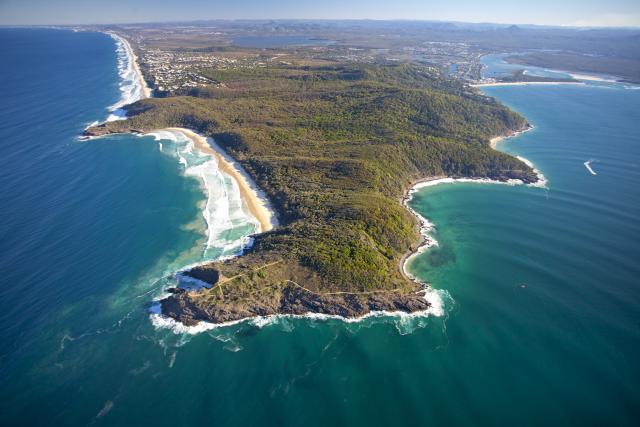
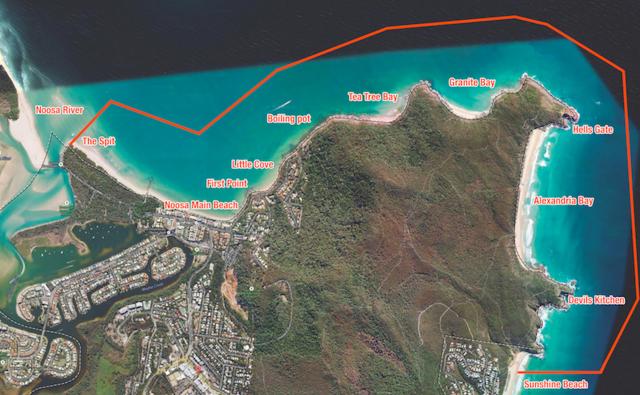
As the Noosa World Surfing Reserve approaches the fourth anniversary of its dedication as the 10th World Surfing Reserve in February 2020, its major birthday present is likely to be the establishment of two layers of government protection, both slated to be implemented before the middle of 2024.
Most importantly, community consultation on the Queensland Government’s long-awaited World Surfing Reserves Protection Policy, covering both Noosa and the Gold Coast World Surfing Reserve, has just been completed and implementation of the final policy is expected to be achieved before the end of the financial year. This policy, which had its gestation at a Surfing Roundtable convened by then sports minister Mick de Brenni in early March 2020, just two weeks after the Noosa WSR dedication, promises to “address any gaps in protections [to] ensure Queensland’s World Surfing Reserves will remain iconic and favoured destinations for surfers, visitors and all members of the community to enjoy.” As the departmental website goes on to explain: “Surfing provides major sport, recreation and tourism opportunities and is a focal point for community life across many Queensland coastal locations. Any decline in surfing quality in those areas would negatively affect the local surfing community, visitors to these sites, local surf businesses and the overall economy of surf coast communities.”
Although Gold Coast City Council is understood to have misgivings about the current draft – just as it did with the first draft, back in 2020, when it accused the state of “sneaking in” on their bathing reserves jurisdiction – Noosa Council last month expressed its support for the state policy, with Strategy and Environment Director Kim Rawlings writing to the department, “Council looks forward to future involvement in protecting its World Surfing Reserve and partnering with the Noosa World Surfing Reserve Committee and the State Government in this policy development as it progresses. It also looks forward to providing more detailed feedback on how the new policy could work practically at the local level.”
In her letter, Ms Rawlings outlines various Council initiatives to build coastal resilience, including the Noosa Coastal Hazards Adaptation Plan (CHAP), funded by the State Government through the QCoast2100 program, Living Foreshores Noosa and Integrated Coastal Management Solutions for Open Coasts … Council has also established a comprehensive and annual coastal monitoring program to improve its understanding of the dynamic and changing coastline, local beach profiles, sand and wave dynamics, seasonal variations and coastal processes.”
But she also notes: “Despite progress in these areas, it is recognised that further work is needed to assist Council in its decision making when assessing new developments and coastal works and determining best options for management of surf amenity impacts. This includes:
• Clear parameters for sand banks and volumes that create optimum wave shape and qualities within the WSR.
• Acceptable definitions of wave and surf break quality for the WSR, developed in consultation with NWSRC and other experts.
• Detailed modelling and analysis to understand the WSR waves and wave environment
• Improved understanding of seasonal changes and long-term climate changes and their impacts of surf conditions on beaches and point breaks
• Improved understanding of local habitat values and optimum sand volumes to avoid destruction or smothering of marine habitat.”
All of this is great news for the surfing community, given Council’s previous reluctance to engage over sand pumping affecting wave quality, but at the same time the Noosa WSR’s stewardship council has been proactive in providing its own detailed submission to Council’s Destination Management Plan working group. The final draft of that plan is expected to be delivered before the end of the current council’s term in March 2024.
Within its DMP submission, Noosa World Surfing Reserve notes: “We aim to protect, steward, and defend the NWSR surf ecosystem. This is the land-to-sea interface that creates the conditions for breaking, rideable waves, and the flora and fauna and human communities that are dependent upon it. NWSR committee proposes a Surf Management Plan and a Noosa and Ocean Beaches Strategy that gives residents access to the future enjoyment of the Noosa Shire surf amenity. This would either be part of the Destination Management Plan or sit alongside it with other planned council initiatives. Noosa is recognised as one of the world’s iconic surf zones for good reason. Its renowned waves and global reputation as a centre of quality surf and surf culture contribute greatly to the Shire’s economy, residents’ quality of life and social capital.’”
Since the founding stewardship committee of the then-Noosa National Surfing Reserve first convened almost a decade ago, it has always sought appropriate recognition at government level, and that all-important “seat at the table”, and this is what it looks like. But in seeking the sanction and the involvement of both state and local government, is the Reserve opening itself up for the same kind of operational hurdles faced by the Noosa River?
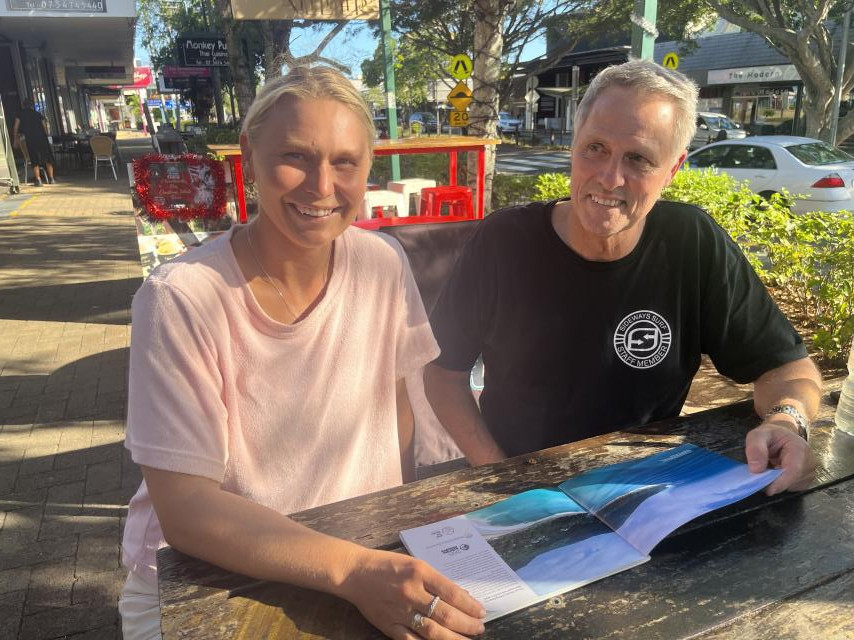
Noosa Today asked Noosa World Surfing Reserve president Kirra Molnar and vice-president Mick Court, both of whom have been closely involved with the state roundtables and the surf management plan, to plot the way forward.
Kirra: We haven’t heard anything from the DMP group since we made our submission, but we expect to soon, once they’ve digested the feedback from consultation.
Mick: But we think the surf management plan should stand alone, and we’ll continue to pursue this with Council directly, regardless of the outcome of the DMP. What the Council is saying in relation to the protective legislation is tied into the sand pumping program and other decisions related to the beach amenity, and that’s where our committee has to work with them. When the time comes to pump again, we want to have input into how that works. And the work we’ve done over the last six months in particular has brought us closer to developing a much closer working relationship with Council.
Kirra: The information provided by environmental scientists to the state legislation draft could also be built into our surf management plan to increase understanding of how waves work. We’ve had online meetings with Council about the letter of support and Kim came and addressed one of our meetings. Her feedback has been really good.
Mick: At that meeting what she started to talk about was the dynamic of residents first and what regenerative tourism really means, which crosses over into the NWSR’s share, respect, preserve mantra, so we’re now on the same page about a lot of this. It seems they’ve taken on board the “surfonomics” figures that Dr Javier Leon has put together and realised the true value of surf tourism, which I think is critically important.
Kirra: We’re linking the various agencies now at both state and local level, and including people like Tourism Noosa. With the state legislation, we understand there have been issues with the Gold Coast City Council’s support, but hopefully they can be resolved. But regardless of the final strength of the legislation, what it does for our two Queensland World Surfing Rreserves is it gives us recognition beyond ceremonial.
Mick: It’s planting a flag in the sand.
DISCLOSURE: The writer is a former president of Noosa World Surfing Reserve who was a representative at state government “surfing roundtables” in 2020 and 2021.